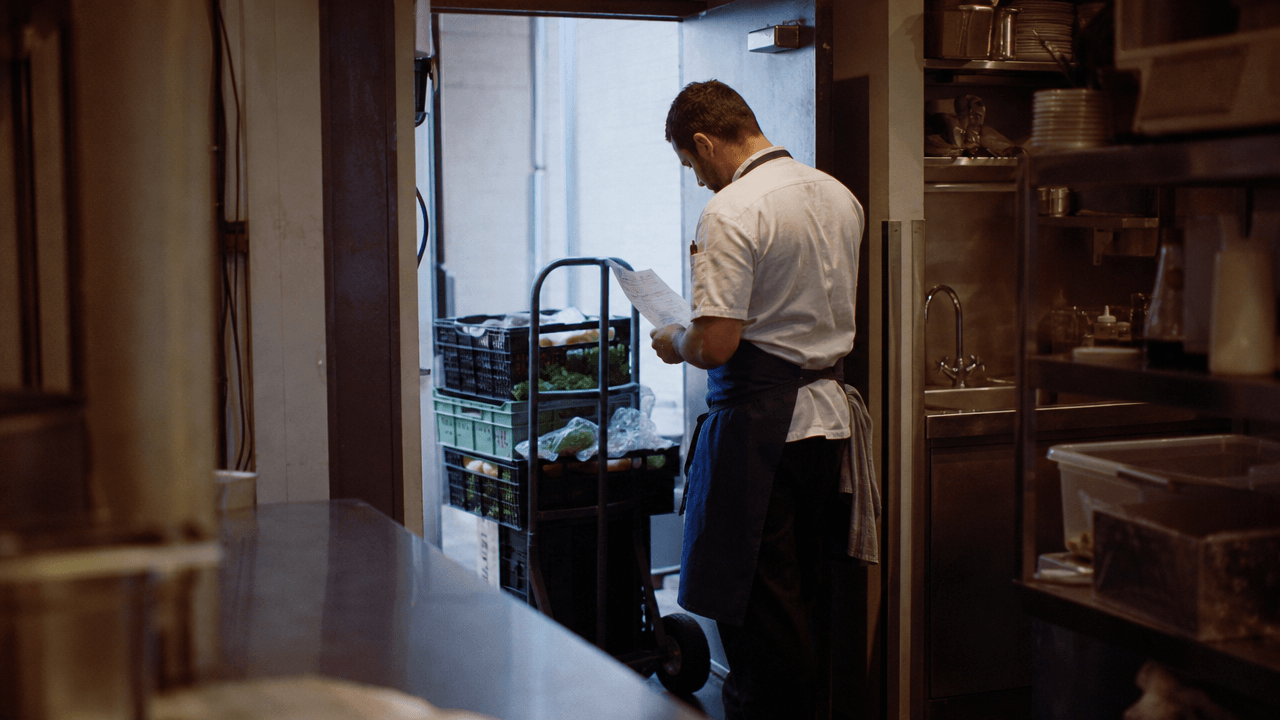





Du har ikke tid til at afstemme leverandørfakturaer ordentligt. Det har ingen.
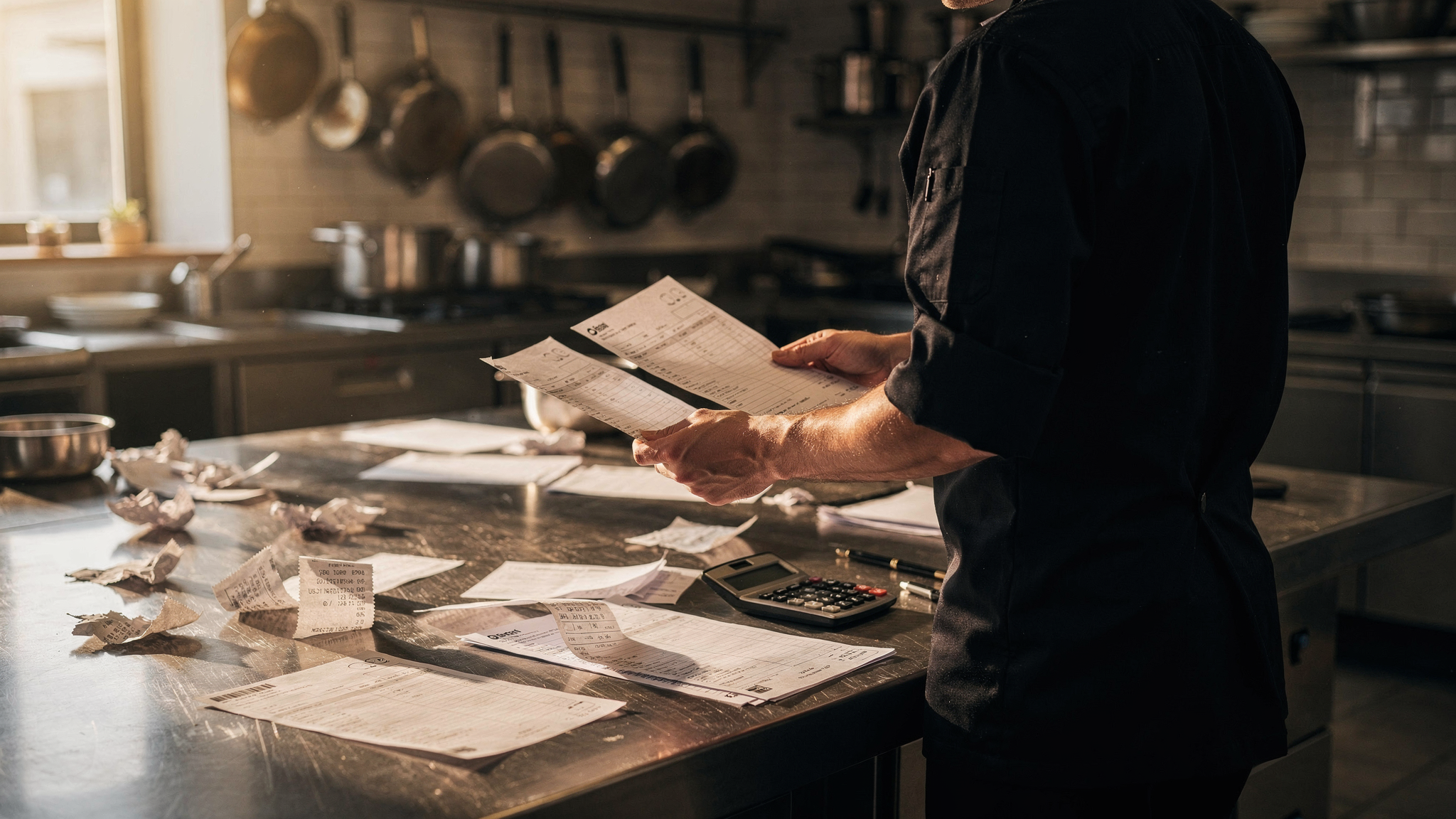
Mellem forberedelse til service, personaleledelse og alt det andet, der kræver opmærksomhed, ryger det at gennemgå fakturalinjer mod følgesedler og ordrer til bunden af listen. De fleste fakturaer får et hurtigt blik på totalen, måske et kig på de mest oplagte poster, og godkendes derefter til betaling.
Problemet er ikke sjusk. Det er simpel matematik. En ordentlig afstemning tager 15-30 minutter pr. leverandør. Med ca. 20 fakturaer om ugen er det timer, du ikke har. Så fejl slipper igennem, som priser der ikke matcher din aftale, mængder du aldrig har modtaget, og opkrævninger der slet ikke burde være der.
Og i modsætning til andre tab er dette her usynligt. Du ser ikke varer forsvinde ud af døren eller spild hobe sig op i skraldespandene. Du betaler bare stille og roligt mere end du burde, faktura efter faktura, måned efter måned.
De tre typer fakturafejl
Leverandørfakturafejl falder i tre kategorier. Ingen af dem kræver ond vilje. De opstår fordi priser ændrer sig, kommunikation bryder ned, eller systemer ikke er synkroniserede.
Forkerte priser
Prisafvigelser er den hyppigste fejltype. Leverandører anvender forældede priser fra sidste kvartal, eller sæsonmæssige prisjusteringer tilbagedateres uden varsel.
Din aftale siger tomater koster 15 DKK/kg. Fakturaen viser 26 DKK/kg. Ingen opdager det, før nogen endelig gennemgår tre måneders fakturaer, hvis det overhovedet sker.
Mængdefejl
Du bestilte 5 kasser. Fakturaen opkræver dig for 50 enkeltenheder. Regnestykket kan endda se rigtigt ud, indtil du opdager at kasserne indeholder 12 enheder, ikke 10.
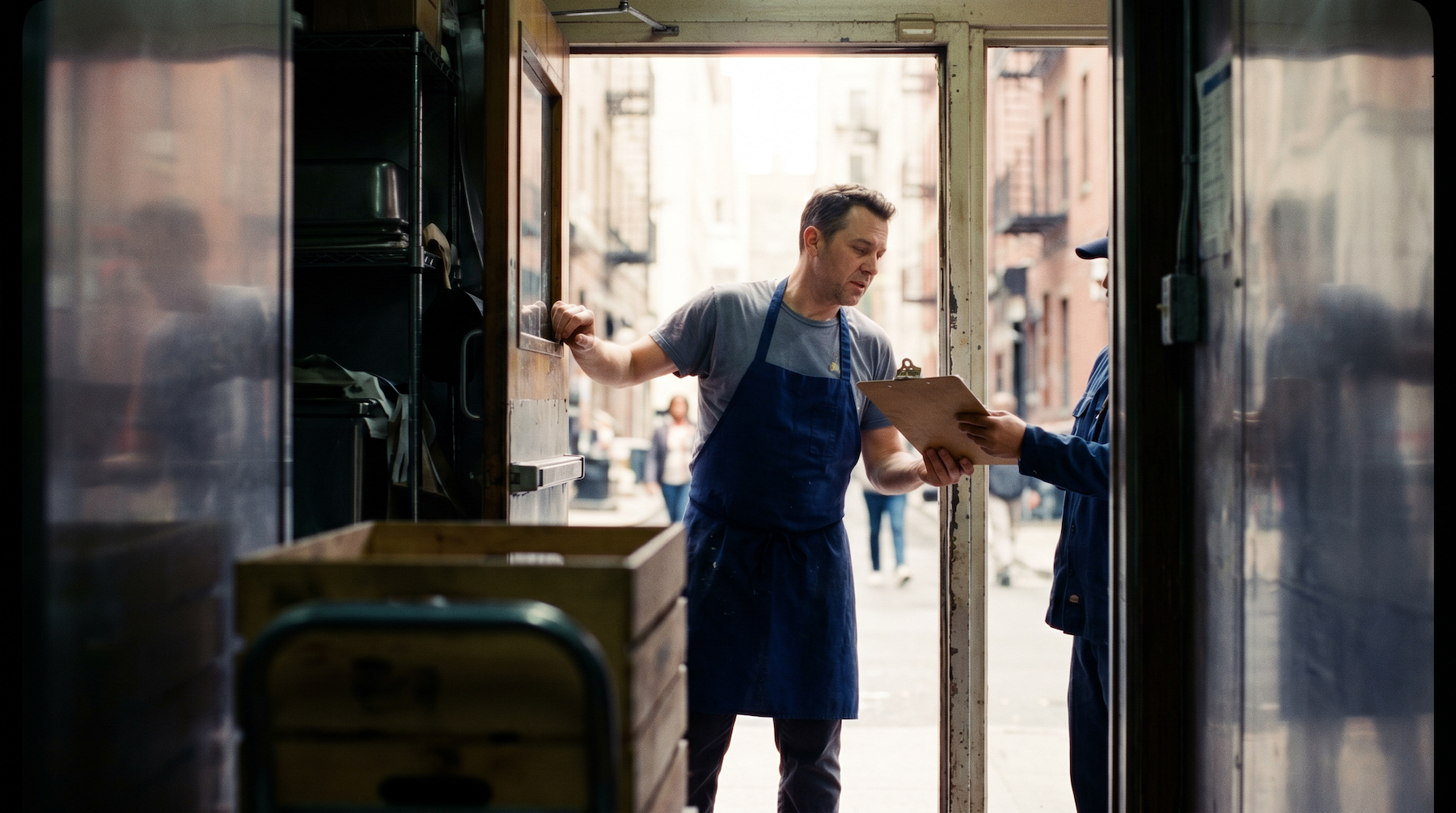
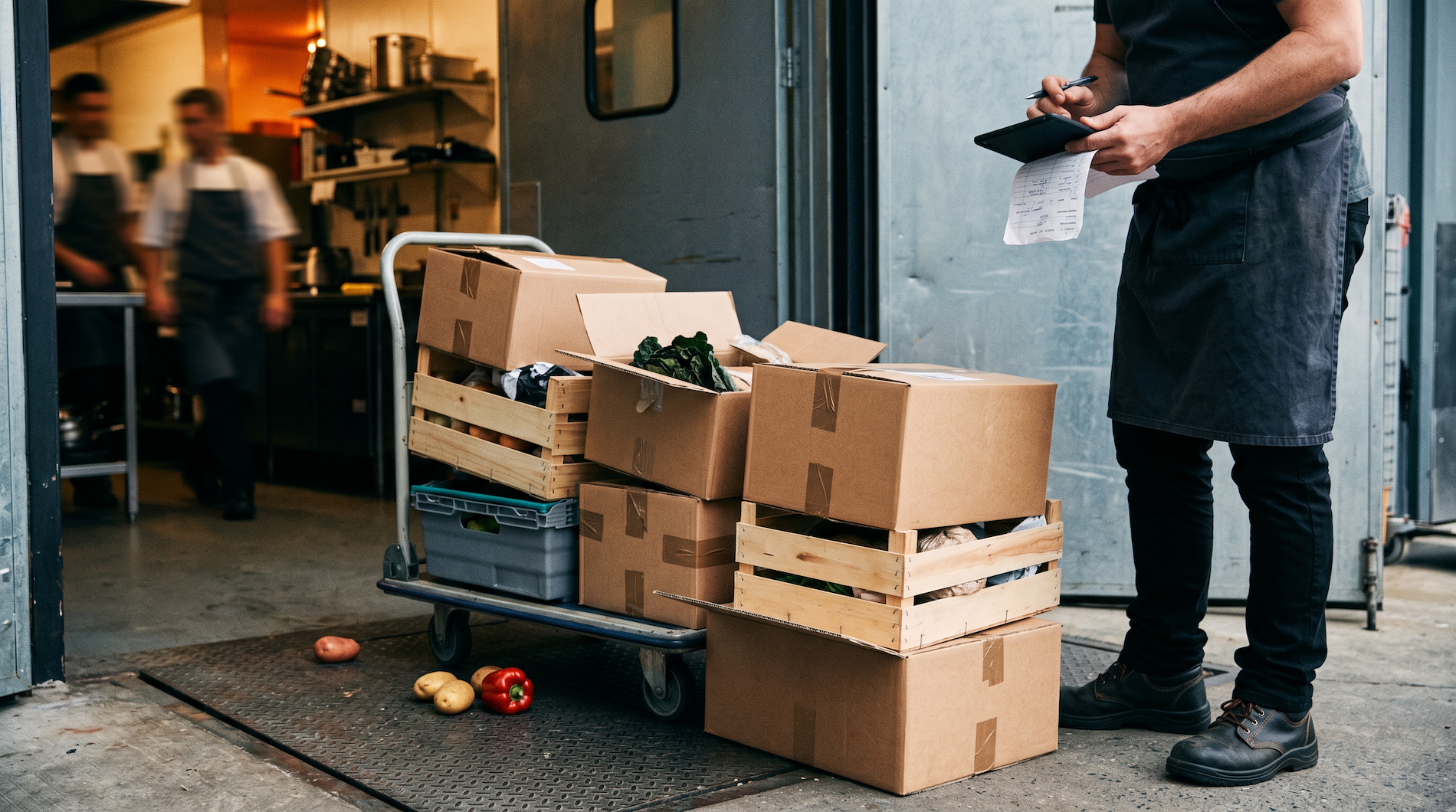
Delleverancer skaber et andet hul. Du modtager 45 kg oksekød. Fakturaen viser 50 kg. Dit team var travlt under leveringen, underskrev følgesedlen uden at tælle, og nu betaler du for varer der aldrig ankom.
Forkerte opkrævninger
Den samme levering faktureres to gange med forskellige fakturanumre og datoer tæt nok på hinanden til at ingen forbinder dem. Varer du aldrig har bestilt dukker op på fakturaer, nogle gange som “diverse” poster, nogle gange som faktiske varekoder du ikke kender.
Kreditnotaer udstedes for returnerede varer, men den oprindelige opkrævning fjernes aldrig fra din konto. “Administrationsgebyrer” eller “brændstoftillæg” dukker op uden forudgående aftale eller forklaring.
Hvorfor manuel fakturabehandling fejler
Manuel afstemning lyder ligetil, indtil du faktisk forsøger at gøre det konsekvent på tværs af 15-20 ugentlige fakturaer.
Tidspres møder spredt data
Lad os sige at en ordentlig fakturaafstemning tager 15-30 minutter pr. leverandør. Du skal sammenligne fakturaen med hvad du bestilte, hvad der blev leveret, og hvad du aftalte at betale. For en restaurant der modtager 15-20 fakturaer om ugen, er det 3-6 timers manuelt arbejde.
Men dine data ligger spredt. Ordrer kan ligge i dit kassesystem eller et indkøbssystem. Følgesedler underskrives af den der er til stede og arkiveres, hvis du er heldig. Fakturaer ankommer dage senere via e-mail. Der er ingen fælles kilde at sammenligne alt imod.
I praksis kaster travle restauratører et hurtigt blik på fakturatotaler, sammenligner med hvad der føles rigtigt, og godkender betaling. Antagelsen er at det nok er korrekt.
Menneskelige fejl akkumulerer usynligt
Køkkenpersonalet underskriver følgesedler under middagsrush uden at tælle ordentligt. De forsøger at komme tilbage til linjen, ikke at revidere en grøntvareleverance. Priser huskes forkert, “jeg tror tomater koster ca. 16 DKK/kg”, og ingen tjekker op mod den faktiske aftale.
Fakturabehandlere på kontoret ved ikke hvad der rent faktisk blev bestilt eller modtaget. De ser poster, mængder og priser, men har ingen kontekst til at vurdere om tallene stemmer med virkeligheden. Manglende dokumentation, ulæselig håndskrift eller fejlarkiverede følgesedler skaber huller der aldrig bliver udfyldt.
Hver lille fejl er usynlig i sig selv. Tilsammen løber de op i tusindvis i tab om året.
De reelle omkostninger
Branchegennemsnittet er at 2-4% af det du bruger hos leverandører forsvinder til fejl ingen opdager. Bruger du 750.000 DKK om året på råvarer? Det er 15.000-30.000 DKK direkte ud af lommen.
Men de direkte tab er kun en del af det. Den tid personalet bruger på manuel afstemning kunne bruges på at oplære teams, forbedre servicen eller analysere hvad der faktisk driver overskuddet. Problemer der opdages måneder for sent betyder at de samme fejl gentager sig på tværs af flere fakturaer, inden nogen bemærker det. Leverandørrelationerne belastes, når du endelig rejser overfaktureringer, særligt hvis det har stået på i måneder.
Likviditeten tager et slag, når du konsekvent betaler mere end du burde. Selv små procentafvigelser akkumulerer, når de aldrig korrigeres.
Den reelle skade er den akkumulerede effekt. Den samme prisfejl gentager sig på 12 fakturaer, inden nogen fanger den. Prisstigninger der burde være midlertidige, bliver permanente fordi ingen markerer hvornår de skulle falde tilbage. Kreditnotaer du har til gode indhentes aldrig, fordi sporing kræver krydsreference af flere dokumenter.
Det er derfor restauranter skifter til systemer som Stockifi, der eliminerer manuel fakturaregistrering fuldstændigt. Når leverandørfakturadata synkroniseres automatisk med din opskriftsdatabase, dukker prisafvigelser og mængdefejl op med det samme, ikke måneder senere.
Hvad sker der, når du skalerer
Én lokation med 10 leverandører er håndterbart, hvis du er disciplineret. Tre lokationer med 15 leverandører hver skaber 45 afstemningsrelationer, alle med forskellige priser, vilkår og leveringsplaner.
Decentraliserede driftforhold ganger problemet. Forskelligt personale modtager leverancer på hver lokation. Dokumentationspraksis varierer. Der er ingen centraliseret fakturabehandling, så fejl på lokation B trigger ikke mønstergenkendelse der kunne forhindre den samme fejl på lokation A.
Fejl ganges uden at nogen bemærker det, fordi ingen har overblik over hele driften.
Advarselstegn på systematiske problemer
Bestemte mønstre indikerer at din fakturabehandling har systematiske huller, ikke bare lejlighedsvise fejl.
På dine fakturaer:
- “Diverse” opkrævninger der dukker op hyppigt
- Priser der gradvist bevæger sig opad uden klar forklaring
- Runde tal på linjeposter (indikerer estimering frem for faktiske optællinger)
- Varebeskrivelser der er vage eller inkonsistente
I dine leverandørrelationer:
- Kreditnotaer der udstedes regelmæssigt (signal om gentagne fejl der korrigeres bagudrettet)
- Følgesedler der ofte mangler eller er ufuldstændige
- Prisjusteringer der dukker op på fakturaer uden forudgående varsel
- Leverandører der bliver defensive, når du stiller spørgsmål til opkrævninger
Det er ikke isolerede hændelser. Det er symptomer på en afstemningsproces der ikke fungerer.
Vejen til automatiseret nøjagtighed
Udfordringen er egentlig ikke at vide hvad man skal tjekke. Det er at have systemer til at fange fejl, når de opstår.
Moderne lagerstyringssystemer eliminerer manuelle dataregistreringsopgaver fuldstændigt.
Stockifi integrerer direkte med dit regnskabssystem, hvor leverandørfakturaer ankommer. Systemet udtrækker automatisk linjedata som ingrediensbetegnelser, mængder og priser, og synkroniserer dem med din opskriftsdatabase.
Ingen manuel dataregistrering. Ingen kopiering af priser fra PDF’er til regneark. Ingen risiko for tastefejl eller fejlplacerede decimaler.
Fordi fakturadata flyder automatisk ind i dine opskrifter, opdateres dit vareforbrug og dine marginer i realtid. De nyeste leverandørpriser er allerede afspejlet i din omkostningsstruktur i det øjeblik fakturaen ankommer.
Systemet markerer prisafvigelser og mængdefejl med det samme. Hvis tomatpriserne stiger 15% uden forklaring, ser du det inden betaling. Hvis en faktura viser mængder der virker inkonsistente med dine typiske forbrugsmønstre, markeres den til gennemgang.
Du opdager fejl inden du betaler, ikke efter. Spørgsmålet er ikke om du har råd til lagerstyringssoftware. Det er om du har råd til at blive ved med at miste tusindvis om året til fejl, som automatiserede systemer fanger inden du betaler.