




En afvigelse på 3% i varekostprocenten lyder ikke alarmerende, før du regner det om til årlig skade. For en restaurant med en omsætning på €1,5 millioner svarer det hul til €45.000 i tabt overskud. De fleste restauratører opdager problemet først, når månedlige varetællinger viser, at skaden allerede er sket.
Forskellen mellem det, du burde bruge (teoretisk varekostprocent) og det, du faktisk bruger (faktisk varekostprocent), afslører driftsmæssige brud, som standardregnskab ikke kan fange. Effektiv varekontrol kræver, at du identificerer, hvor pengene forsvinder, inden det vokser sig til en alvorlig situation.
Her er syv årsager til, at din varekostprocent er højere end den burde være, og hvordan du opdager hver enkelt, inden afvigelsen løber løbsk.
Hvorfor afvigelser undergraver dit overskud
Afvigelse i varekostprocent måler kløften mellem teoretiske og faktiske vareomkostninger. Den teoretiske cost beregner, hvad du burde bruge baseret på opskrifter, portioner og kassesystemets salgsdata. Den faktiske cost er det, fakturaer og varetællinger viser, at du reelt har brugt.
Når den faktiske cost overstiger den teoretiske, repræsenterer differencen tabt overskud. En afvigelse på 2% kan virke ubetydelig, men den akkumuleres over måneder. Det hul signalerer driftsfejl: ingredienser, der forsvinder uden at generere omsætning, portioner der overstiger standarderne, eller omkostninger der registreres forkert. Hvert procentpoint tærer på en margin, som konkurrencedygtige priser ikke kan genoprette.
Årsagerne nedenfor forklarer, hvor pengene forsvinder, og hvordan du henter dem tilbage.
1: Tyveri og underslæb
Problemet
Tyveri spænder fra personale, der stikker bøffer i lommen, til bartendere, der skænker gratis drinks til venner. Varer med høj værdi som spiritus, premium-kød og skaldyr forsvinder uden tilsvarende salg. Det fortsætter, når kontrollen er svag og konsekvenserne fraværende.
Omkostningen
Undersøgelser anslår, at medarbejdertyveri udgør 4-7% af restauranters omsætningstab om året. For en restaurant med €1 million i omsætning svarer det til €40.000-€70.000. Små barer mister hele kasser med spiritus, og travle køkkener oplever, at proteiner forsvinder ved vagtskifter.
Sådan opdager du det
- Varer med høj værdi viser konsekvent afvigelse på trods af uændrede opskrifter
- Bestemte vagter eller medarbejdere korrelerer med øgede afvigelser
- Afvigelse på spiritus stiger i weekenderne, hvor kontrollen er minimal
- Kamerafootage afslører uforbrugt vare, der forlader køkkenet via bagdøren
Hvad du gør
Indfør modtagelseslogger, der verificerer leverancer mod indkøbsordrer. Begræns adgangen til lagerfaciliteter med adgangskortssystemer. Gennemfør tilfældige stikprøvekontroller på højtværdivarer. Vigtigst af alt: spor afvigelse pr. vagt. Mønstre afslører som regel, hvem der er ansvarlig.
2: Overportering
Problemet
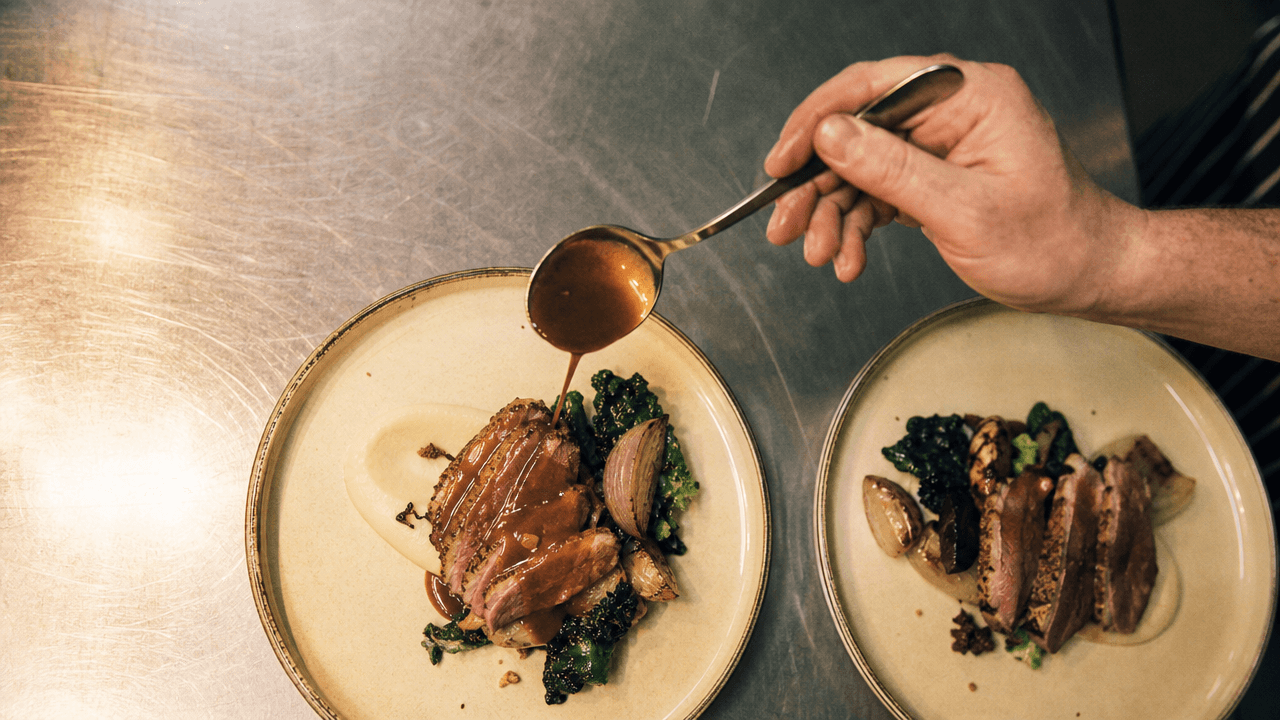
Kokke, der bruger øjet frem for en vægt, skaber afvigelse. En bøf på 200g bliver til 250g. En cocktailopskrift, der angiver 50 ml vodka, får 65 ml. Over tid presser disse “generøse” portioner varekostprocenten op uden at øge omsætningen, og gæsterne vænner sig til den større portion som standard.
Omkostningen
Selv 10% overportering på varer med højt salgsvolumen ødelægger marginen. Hvis din burgeropskrift koster €4,50, men personalet konsekvent tilføjer mere protein, rammer den faktiske cost €5,00. På 500 ugentlige serveringer svarer det til €250 i tabt overskud og €13.000 om året på bare én menu-item.
Sådan opdager du det
- Afvigelse i faktisk vs. teoretisk forbrug er konsistent og ikke sporadisk (udelukker tyveri)
- Varer med højt salgsvolumen viser større absolut afvigelse end dem med lavt volumen
- Afvigelse stiger, når uerfarne medarbejdere arbejder travle vagter
- Ingrediensforbrug overstiger det, kassesystemets salg burde kræve
Hvad du gør
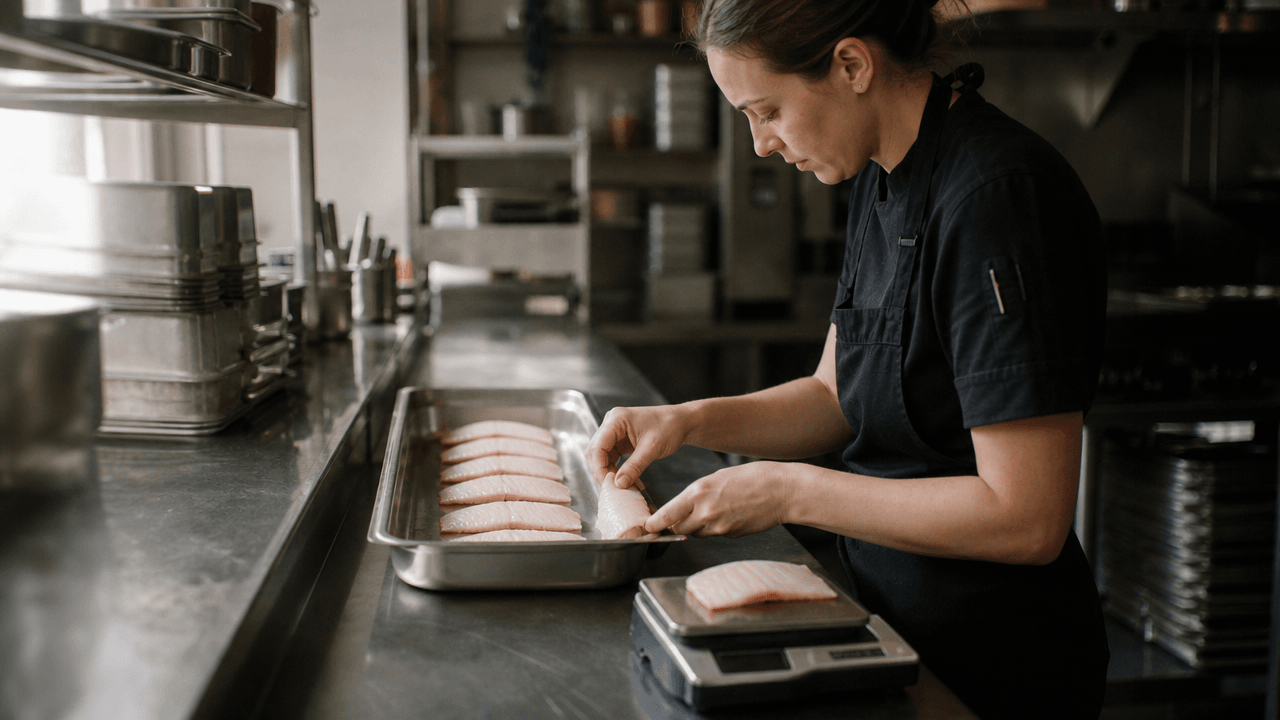
Standardiser med portionsværktøjer: vægte til proteiner, jiggers til spiritus, øser til saucer. Træn personale i specifikationerne under onboarding og gentag det ved vagtmøder. Fotografer anrettede retter for at etablere visuelle standarder. Spor afvigelse pr. menu-item for at identificere, hvilke retter der kræver strammere kontrol.
3: Spild og svind
Problemet
Ingredienser fordærver, når indkøb overstiger forbrugsmønstret, når opbevaringsforholdene svigter (køleskabstemperaturer svinger), eller når klargøring overstiger servicebehov. Grøntsager rådner, mejeriprodukter udløber, proteiner får frostskader. Når en vare er fordærvet, er hele omkostningen tabt.
Omkostningen
Fødevarespild koster restauranter 4-10% af indkøbene. En restaurant, der bruger €20.000 om måneden på ingredienser, mister dermed €800-€2.000 til spild. Akkumuleret over et kvartal er det €2.400-€6.000 i rent tab, penge betalt til leverandøren for varer, der aldrig genererer omsætning.
Sådan opdager du det
- Fysiske varetællinger er konsekvent lavere end det teoretiske lager
- Afvigelse koncentrerer sig om ferskvarer som mejeriprodukter, grøntsager og friske proteiner
- Affaldsspandene indeholder betydelige mængder ubrugt vare
- FIFO-praksis (først ind, først ud) er inkonsekvent eller ignoreres
Hvad du gør
Revider opbevaringsrutinerne: tjek køleskabstemperaturer dagligt, roter lageret efter FIFO og mærk klargøring med dato. Tilpas indkøb til faktiske forbrugsmønstre ved at analysere kassesystemets data til efterspørgselsprognoser frem for at gætte. Reducer klargøringsbatchstørrelser i langsomme perioder. Spor spild separat fra afvigelse for at kvantificere bortskaffelsesomkostningerne.
4: Uensartet opskriftsbrug og forældede priser
Problemet
To problemer mødes her. Først afviger kokke fra standardiserede opskrifter ved at substituere ingredienser, justere mængder eller improvisere teknikker. Dernæst afspejler opskriftskortene forældede priser, fordi leverandørpriserne har ændret sig uden at systemet er opdateret. Begge skaber afvigelse: det faktiske forbrug afviger fra specifikationerne, eller de teoretiske beregninger bruger forkerte priser.
Omkostningen
Opskriftsafvigelser øger portionerne (se årsag 2) og introducerer uplanlagte ingrediensomkostninger. Angiver en pastaret €2,80 i ingredienser, men kokken tilføjer premium olivenolie og ekstra parmesan, rammer den faktiske cost €3,40. Forældede priser skjuler marginærosion, så din beregning viser 28% varekostprocent, mens fakturaerne afslører 32%.
Sådan opdager du det
- Kokke kan ikke konsekvent producere retter, der matcher billeder og specifikationer
- Køkkenpersonale er uenige om den “korrekte” opskrift på det samme item
- Teoretiske varekostberegninger stemmer ikke overens med fakturatotaler
- Menu-items, der var rentable, bliver tabsgivende uden åbenlys årsag
Hvad du gør
Digitaliser opskrifter med præcise mål og opdater dem, når formuleringer ændres. Synkroniser opskriftsomkostninger automatisk med leverandørfakturaer, så systemet genberegner marginer med det samme, når ingredienspriser stiger. Træn køkkenpersonale i at følge specifikationerne uden afvigelse, medmindre ændringer er dokumenterede og godkendte. Gennemgå derefter opskrifternes rentabilitet månedligt eller ved behov.
5: Modtagelsesfejl
Problemet
Leverancer ankommer med mangler (du bestilte 20 kg, modtog 18 kg), substitutioner sker uden besked (du bestilte ribeye, modtog mørbrad), eller fakturaer lister items, der aldrig er leveret. Travle modtagelsesområder har ikke tid til at verificere hvert kolli, kasse og vægt, og det ved chaufførerne. Fejl eskalerer, når modtagelsespersonale underskriver fakturaer uden at kontrollere.
Omkostningen
Manglende leverancer og fakturafejl tilføjer 1-3% til varekostprocenten. For en restaurant med et månedligt vareforbrug på €25.000 svarer det til €250-€750 i overopkrævninger og €3.000-€9.000 om året. Ganget på tværs af en kæde med flere lokationer kan tabet nå seks cifre.
Sådan opdager du det
- Fakturaer matcher sjældent indkøbsordrerne
- Afvigelse opstår umiddelbart efter leverancer og ikke gradvist i løbet af ugen
- Bestemte leverandører viser konsekvent afvigelser
- Personale rapporterer, at modtagelsen “føles forkert”, men kan ikke verificere det uden ordentlige logger
Hvad du gør
Kræv detaljerede modtagelseslogger: verificer mængder, tjek kvalitet og noter substitutioner. Brug vægte til vægtbaserede produkter som proteiner og grøntsager. Krydstjek fakturaer mod det, der fysisk er ankommet, inden du underskriver. Flag leverandører med tilbagevendende fejl og eskalér til account managers. Ved højvolumenoperationer bør du implementere stregkodescanning ved modtagelsen.
6: Faktura- og dataregistreringsfejl
Problemet
Manuel fakturaregistrering skaber fejl: ombyttede cifre (€350 bliver €530), forkerte enheder (kasser registreret som enkeltitems) eller omkostninger tildelt forkerte kategorier (barsupplies kodet som mad). Regnskabsfejl forvrider varekostberegningerne, fordi de data, der ligger til grund for sammenligningen af faktisk og teoretisk forbrug, er forkerte.
Omkostningen
Dataregistreringsfejl oppuster det rapporterede vareforbrug eller skjuler de faktiske udgifter. En enkelt ombytningsfejl på en ugentlig faktura på €5.000 kan fejlrapportere omkostninger med hundredvis af euro. Over tid gør akkumulerede fejl varekostopfølgningen upålidelig, og du styrer efter forkerte tal.
Sådan opdager du det
- Varekostprocenter svinger voldsomt fra måned til måned uden driftsændringer
- Enkeltstående linjer i rapporter viser usandsynlige priser (f.eks. tomater til €47/kg)
- Afstemning af fakturaer med kontoudtog afslører afvigelser
- Manuelle regneark indeholder formelfejl eller ødelagte cellereferencer
Hvad du gør
Automatiser fakturabehandlingen med software, der udtrækker linjeprisdata og markerer uregelmæssigheder. Implementer valideringskontroller: overskrider en cost de typiske intervaller, kræver systemet manuel gennemgang, inden den bogføres. Afstem ugentligt frem for månedligt for at opdage fejl, inden de eskalerer.
7: Forsinket opdagelse og manuel sporing
Problemet
Månedlige varetællinger afslører afvigelse uger efter skaden er sket. Når du opdager 4% varekostafvigelse i oktober, er årsagerne, tyveri, spild og overportering, opstået i løbet af september eller endnu tidligere. Regneark skjuler tendenser, fordi dataregistrering halter og formler ikke kan advare dig, når afvigelsen stiger. Du diagnosticerer problemer fra fortiden frem for at forebygge dem i nutiden.
Omkostningen
Forsinkede opdagelser betyder, at tab akkumuleres, inden der sættes ind. Rammer afvigelsen 5% i uge 2 men opdages først ved månedsafslutningen, akkumulerer tre yderligere uger med den samme driftsfejl skaden. Med et ugentligt vareforbrug på €6.000 svarer det til €900 i unødvendigt tab alene på grund af forsinket opdagelse.
Sådan opdager du det
- Afvigelse opdages kun ved månedlige varetællinger
- Du kan ikke identificere, hvilken uge eller vagt afvigelsen steg
- Personale rapporterer driftsproblemer (f.eks. “vi løber tør hurtigere end normalt”), men data bekræfter det uger senere
- Korrigerende tiltag er reaktive frem for forebyggende
Hvad du gør
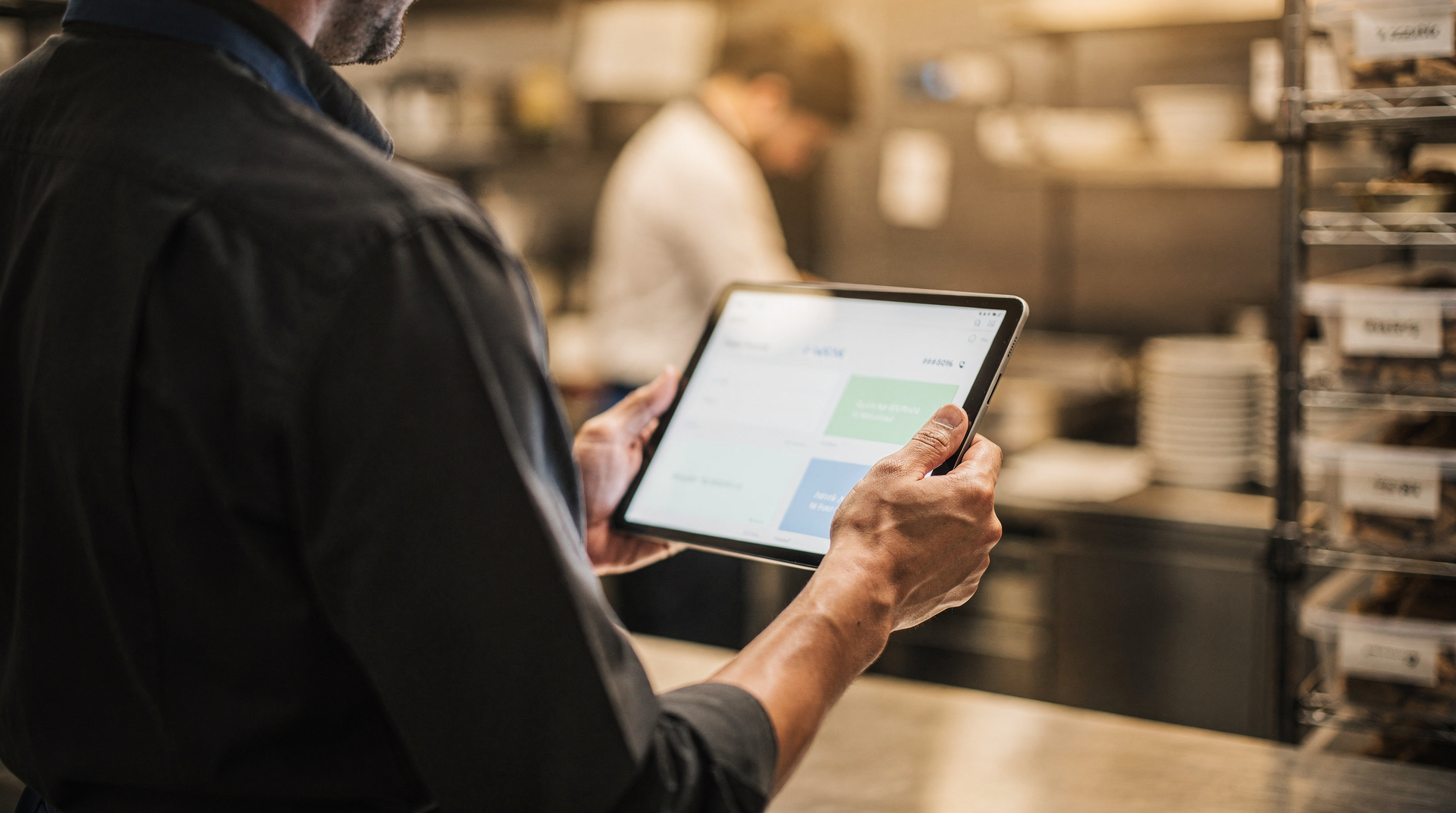
Gå over til systemer til realtidsspoling af omkostninger, der løbende synkroniserer kassesystemets salg, fakturaer og varetællinger. Digitale platforme markerer afvigelse, efterhånden som det opstår, og tærskeladvarsler giver ledelsen besked, når varekostprocenten overstiger målene. Overvej ugentlige mini-tællinger på højtværdivarer frem for omfattende månedlige eller kvartalsvise tællinger for at spore afvigelse og fastslå, hvornår problemer opstår, ikke blot at de eksisterer.
Hvad gør du nu?
Varekontrol starter med at adressere én årsag ad gangen. Gennemgå listen ovenfor og identificer, hvilken problemstilling der matcher din restaurants symptomer. Koncentrerer afvigelse sig om weekenderne, bør du undersøge tyveri og overportering under de mest travle vagter. Er den konsekvent i alle perioder, er opskriftsproblemer eller spild mere sandsynlige årsager.
Implementer én løsning, mål effekten over to uger og beregn reduktionen i afvigelse. Gå derefter videre til den næste årsag. Hvert forbedring akkumuleres. At reducere tyveri med 2% og overportering med 1,5% giver en samlet margingevinst på 3,5%.
Udfordringen er, at manuel sporing via regneark og forsinket fakturaregistrering gør det næsten umuligt at opdage disse syv årsager, inden de eskalerer. Stockifi automatiserer opdagelseslaget: realtidsadvarsler om afvigelse markerer problemer, efterhånden som de opstår, fakturaopslag eliminerer dataregistreringsfejl og opdager prisændringer, og rentabilitetsanalyse viser præcis, hvilke items og opskrifter der kræver mest opmærksomhed.
Vil du se, hvordan andre restauranter i branchen har reduceret afvigelse i varekostprocenten? Læs kundecases fra restauranter, barer og hoteller, der har lukket hullet mellem teoretisk og faktisk forbrug, eller udforsk, hvordan automatiseret fakturabehandling og opskriftsstyring arbejder sammen om at forebygge de årsager, der er beskrevet ovenfor.