.png)
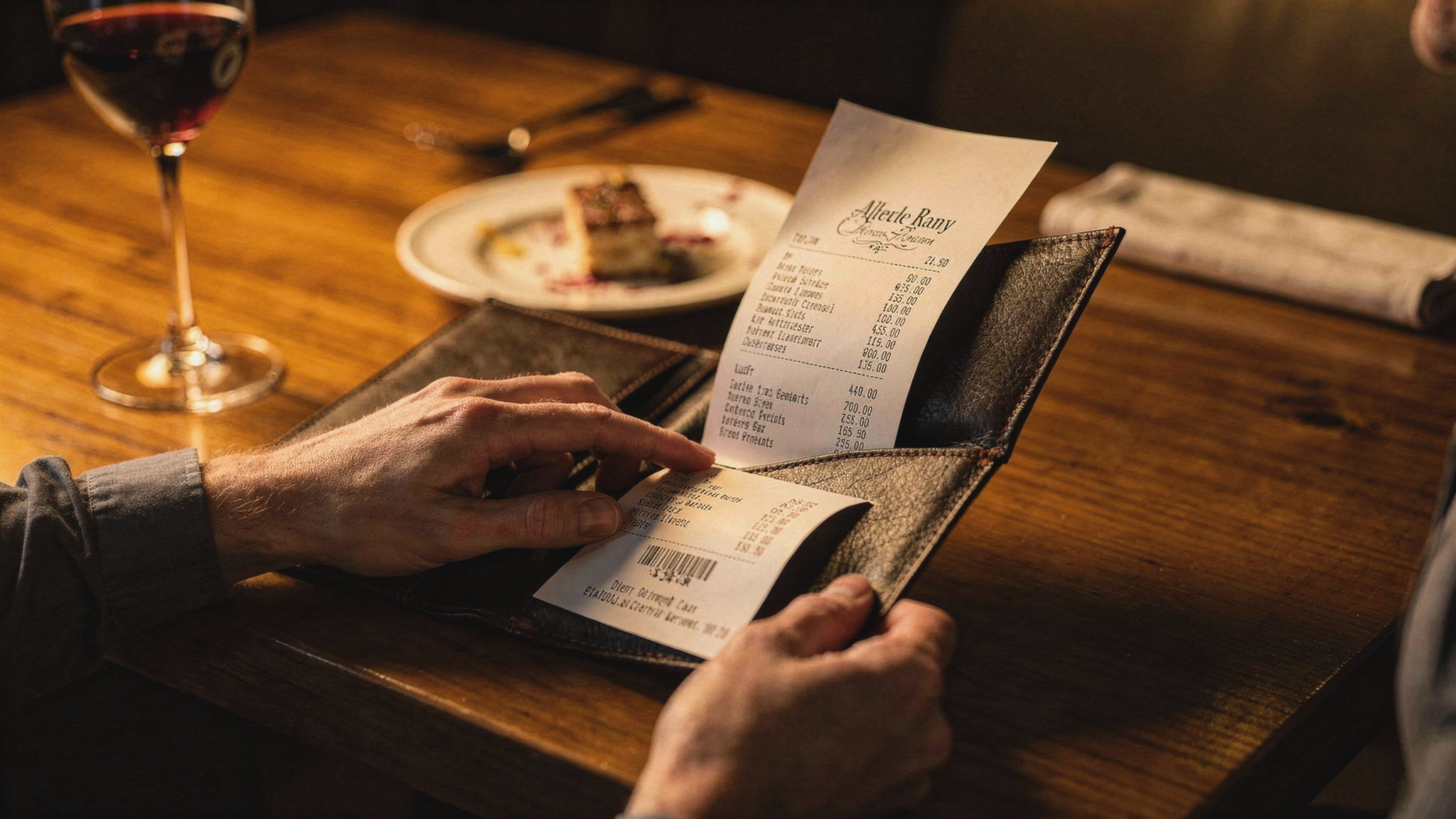
Have you ever looked at your restaurant bill and wondered why dining out can feel expensive? The answer reveals a fascinating story that goes far beyond the food on your plate.
Understanding what contributes to your final bill offers insight into the complex world of restaurant operating costs, and why quality dining experiences are priced the way they are.
The Journey From Ingredients to Your Table
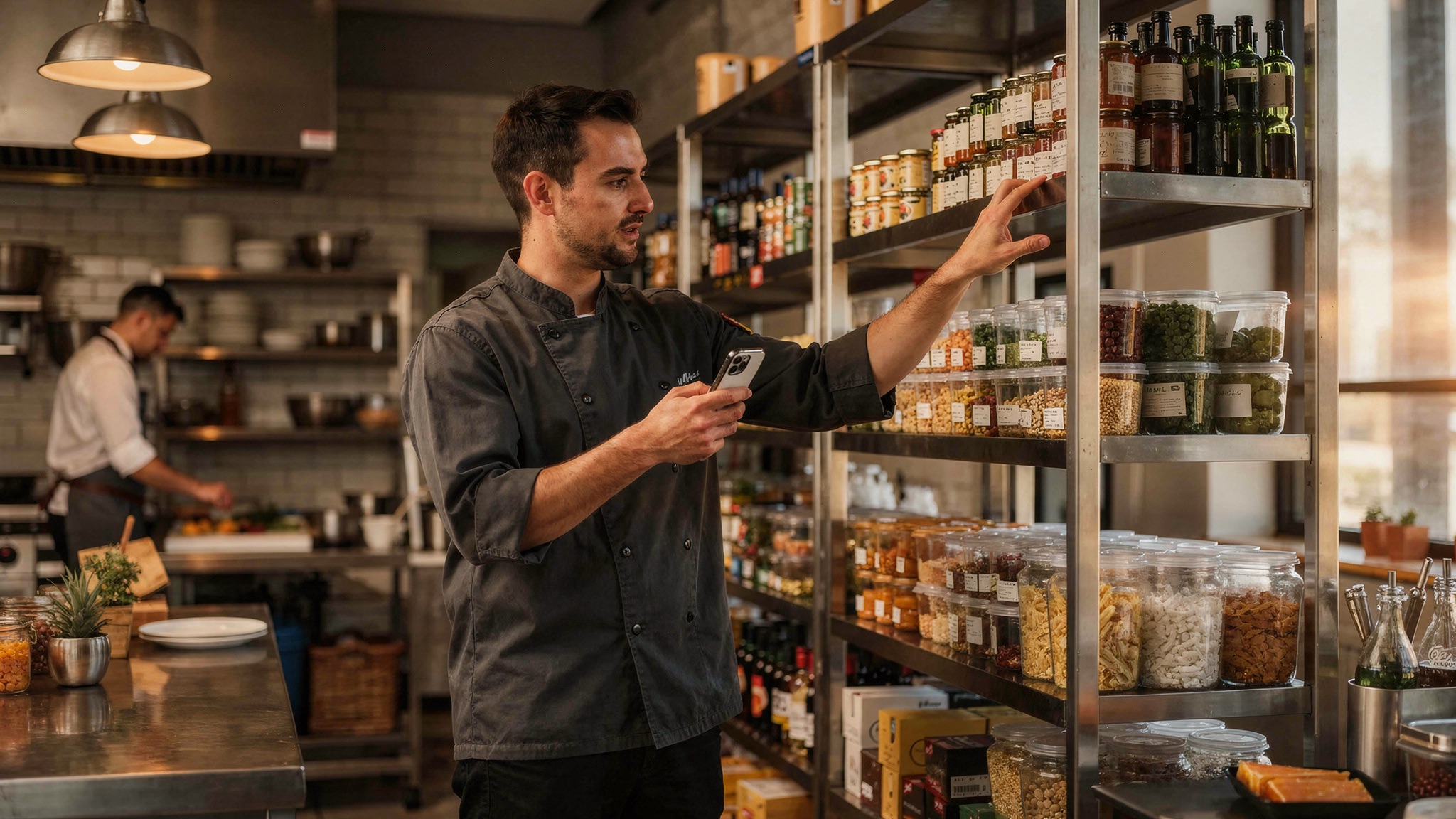
Every dish begins with sourcing quality ingredients, but the cost of those ingredients is just the beginning.
Quality Makes the Difference
Restaurants prioritizing fresh, high-quality ingredients invest more to deliver the best flavors. Whether it's organic produce, locally-sourced meats, or specialty items, quality comes with higher costs that ultimately appear in menu pricing.
Building Reliable Supplier Relationships
Maintaining strong relationships with dependable suppliers affects costs, particularly when seasonal or hard-to-find ingredients are involved. These partnerships ensure consistency and reliability, which are critical factors in delivering the dining experience guests expect.
1. Labor: The Foundation of Great Hospitality
Behind every memorable meal is a dedicated team of professionals whose expertise and effort make your dining experience possible.
Chef Expertise and Kitchen Teams
Skilled chefs and kitchen staff bring creativity and precision to every dish. Their training, experience, and culinary expertise command fair compensation. That investment shows in the quality of what reaches your table.
Service Excellence From Your First Greeting
From servers to bartenders, the front-of-house team ensures your dining experience flows smoothly. Their attentiveness, knowledge, and hospitality are integral to your evening out, and their wages and tips factor into labor costs that restaurants must balance carefully.
Investing in Training and Retention
Continuous training and efforts to retain quality staff add to operational expenses. These investments ensure the consistent service standards that keep guests returning, creating the familiar faces and reliable experiences diners value.
2. Overhead Costs: What Keeps Restaurants Running
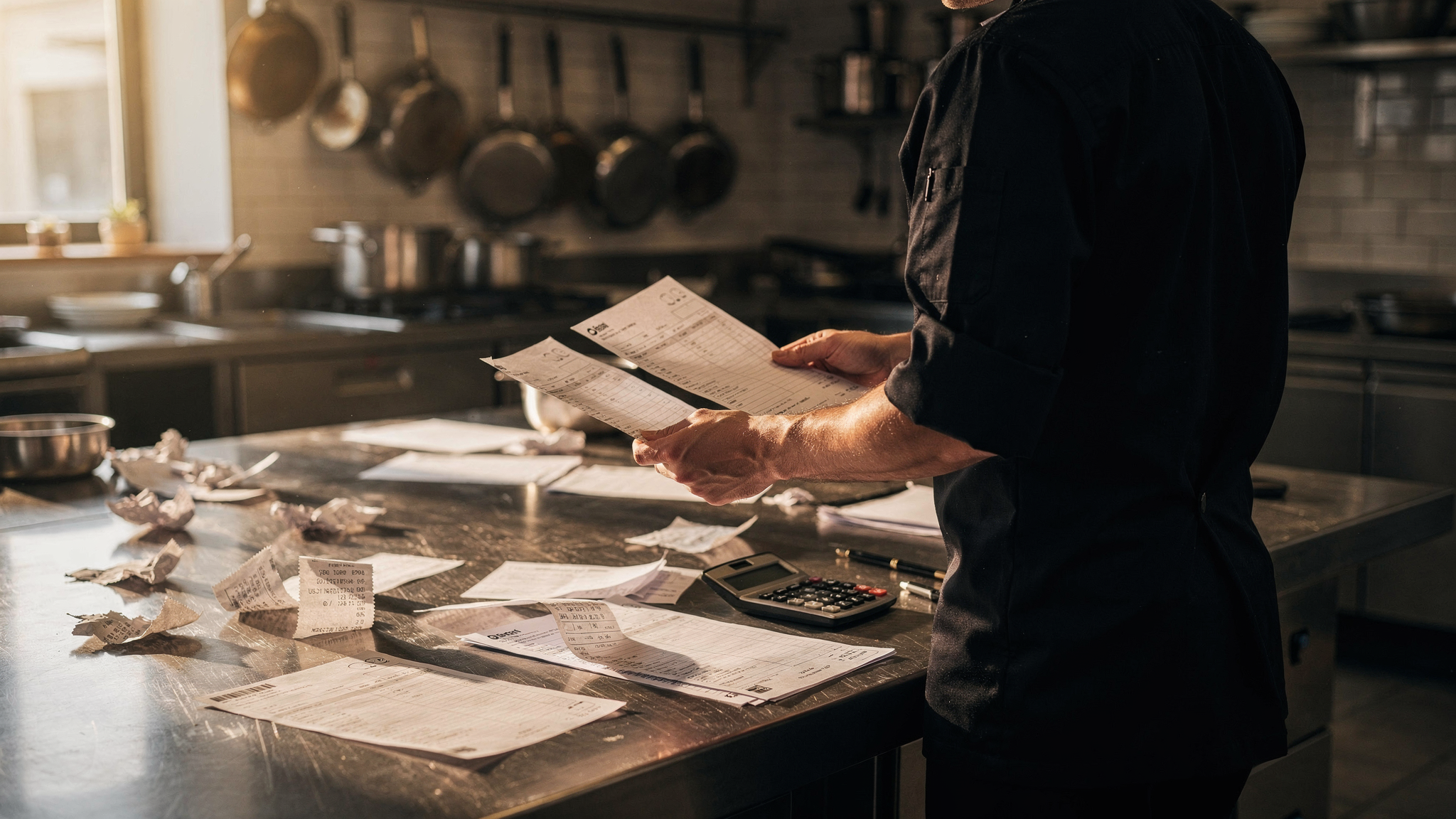
Running a restaurant involves numerous operational expenses that might not be immediately visible but are essential for creating and maintaining a pleasant dining environment.
Location and Facilities
Prime locations come with significant costs. Rent for desirable spaces, along with utilities like electricity and water, represent substantial ongoing expenses that must be covered whether the restaurant serves twenty guests or two hundred.
Maintenance and Upkeep
Regular maintenance and unexpected repairs ensure restaurants remain safe, comfortable, and welcoming. From kitchen equipment to dining room furnishings, keeping everything in working order requires consistent investment.
Insurance and Licensing
Comprehensive insurance policies protect both the business and guests, while various permits and licenses are mandatory for legal operation. These necessary costs contribute to the operational budget that menu prices must support.
3. Creating Ambiance and Atmosphere
The overall dining experience extends beyond the plate, encompassing the environment that makes a meal memorable.
Design and Furnishings
Stylish décor, comfortable seating, and thoughtful layout create atmosphere. Whether it's intimate lighting, carefully selected artwork, or custom furniture, these details transform a meal into an experience, and they require investment.
Music and Entertainment
Curated playlists, live music, or other entertainment enhance ambiance. These elements add to the sensory experience of dining out while also adding to operational costs.
Cleanliness and Sanitation Standards
Maintaining high standards of cleanliness and hygiene is crucial for guest safety and comfort. Regular deep cleaning, quality sanitary supplies, and rigorous standards all contribute to the environment you expect when dining out.
4. The Hidden Elements Most Diners Don't Consider
Additional factors that might not immediately come to mind also play significant roles in restaurant economics.
Marketing and Building Awareness
Restaurants invest in attracting and retaining customers through various marketing channels—from social media to local partnerships. These efforts are essential for maintaining the customer base that keeps restaurants thriving.
Technology That Enhances Your Experience
Modern point-of-sale systems, online reservation platforms, and other technological tools create smoother dining experiences. These systems represent significant investments that improve both operational efficiency and guest satisfaction.
Understanding the Complete Picture
Dining out encompasses far more than simply enjoying a meal. It's experiencing the culmination of quality ingredients, skilled labor, operational infrastructure, and carefully crafted ambiance working together.
What Your Bill Really Represents
The next time you receive your restaurant bill, remember the intricate network behind it: sourcing quality ingredients, employing skilled professionals, maintaining safe and welcoming spaces, and creating memorable atmospheres. Each element contributes to the final price.
Appreciating the Value
Understanding these elements doesn't change the cost of dining out, but it does enhance appreciation for what restaurants provide. You're not just paying for food—you're supporting an ecosystem of people, skills, and carefully managed details that create spaces where communities gather, celebrate, and connect.
Why It Matters
For those in the hospitality industry, recognizing these cost factors underscores the complexity of restaurant cost management. For diners, this understanding highlights why quality dining experiences are priced the way they are, and why supporting local restaurants means supporting far more than you might realize.
The true price of dining out reflects the countless elements working in harmony to deliver not just a meal, but an experience worth remembering.