Three points of food cost on 50,000 euros of sales a week come to 27,000 euros across an eighteen-week ski season. For a seasonal restaurant, those weeks carry the rent and the owners’ time for the whole year.
This guide follows a season’s counts and buying from the first count to the last.
What Makes a Seasonal Restaurant Different
Most ski resorts in Norway and Austria open between late November and mid-December, depending on snow, and close in spring. A ski resort restaurant can expect its busiest trade over Christmas and the winter school breaks, while a summer restaurant on the coast peaks in the warmer months.
Seasonal kitchens often take on new staff each season. Check portions closely in the first weeks, while the new staff are still learning the recipes and portion specs.
The Opening Count
Food cost for any period is opening stock plus purchases, minus closing stock, divided by food sales. Without an opening count, the stock carried over from last season never reaches the cost of the first weeks.
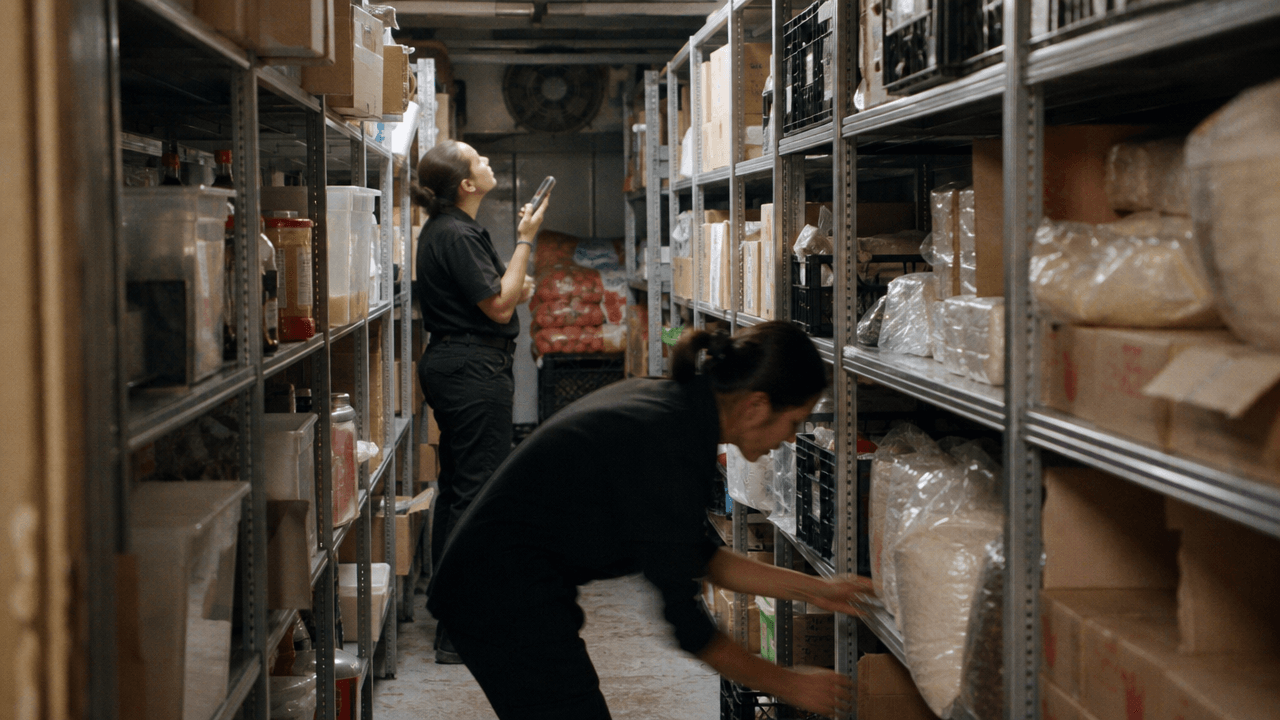
Last season’s leftovers tend to be drinks and dry goods, and the freezer needs checking too. Count them before the first delivery arrives. Everything that comes in for the opening then goes through as purchases on supplier invoices. Anything past its date goes in the waste log before the count and stays out of the opening value.
When the opening deliveries are already on the shelves, include them in the count and keep their invoices out of purchases. The carried-over stock takes the same valuation method as the closing count. Our article on stock valuation covers how to pick one.
How Often to Count During the Season
A monthly count gives an eighteen-week season about four readings, the second of them around week nine. Counting every two weeks puts the first reading at week two and gives nine across the season.

The shaded band marks a food cost problem that starts in week one.
Straight after the busiest holiday weeks, a full count keeps their numbers apart from the quieter weeks around them. Between full counts, count just the meat and the wine and spirits, the most expensive lines on the shelves. How often to count goes through sorting stock into tiers like this, and the stock count guide covers running one quickly.
If your financial year closes on 31 December, a winter season runs straight through it, and the year-end count lands in the middle of the holiday rush. Put that count on the rota before the season opens.
Planning for the Last Weeks
Two-weekly counts also show the pace of each line, such as a house red going at about 22 bottles a week. If the February count finds 180 bottles of it, the restaurant will go through around 130 more in the six weeks left and close with about 50 in the cellar. Those 50 bottles can carry into next winter without much harm, because unopened wine keeps when you store it somewhere cool and stable.
From the middle of the season, run the same sum on your expensive and perishable lines, such as cream and fresh fish, and buy toward the closing date.
The Closing Count
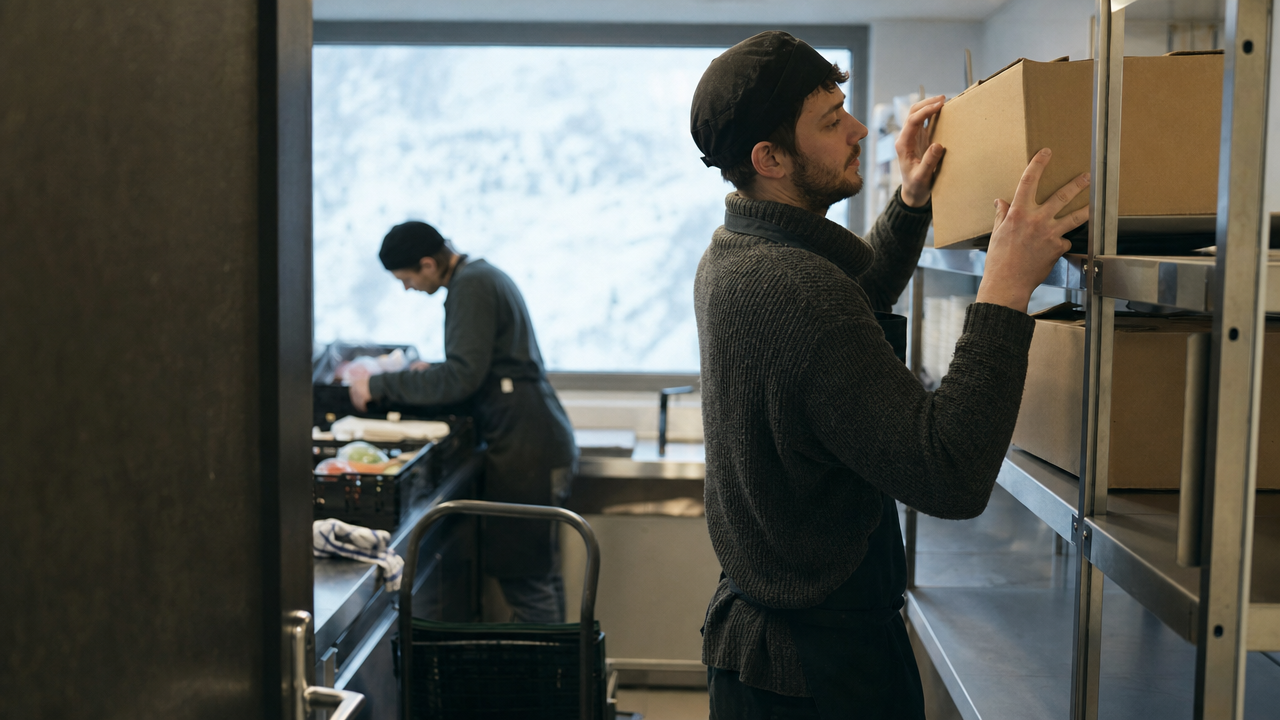
Count after the last service, before the team packs anything away. Perishables left in the last days usually end up in staff meals, and logging them as they go keeps them out of the season’s final variance.
A Season of Counts in Stockifi
On a phone, counting in Stockifi carries on in a cellar where the signal drops, and the counts sync once you reconnect. Because Stockifi reads supplier invoices line by line from your accounting system and takes sales from the POS, each two-week count shows that period’s variance between actual usage and what the dishes sold should have used. See how stock counting works.
Frequently Asked Questions
How often should a seasonal restaurant count stock? A count every two weeks suits a season of four or five months.
How do you set up stock when opening a seasonal restaurant? Begin the season with a stock count of what is already on the shelves, then book every delivery that follows as a purchase.
What should you do with leftover stock at the end of the season? Sealed drinks and dry goods that are still in date can usually stay in cool, dry storage until the next season opens. Log perishables as they go to staff meals in the last days.
Starting Next Season With This Season’s Numbers
Keep this season’s counts with its invoices. When your seasonal restaurant places its first order next season, the pace each line kept through the busy weeks shows how much to buy for the first fortnight.