







Operations
What Belongs in a Restaurant Waste Log
A waste log that survives is short enough to fill in with one hand, while something is burning.
Blog
Practical reads on recipe costing, supplier prices, and the numbers behind a healthier margin.
A waste log that survives is short enough to fill in with one hand, while something is burning.
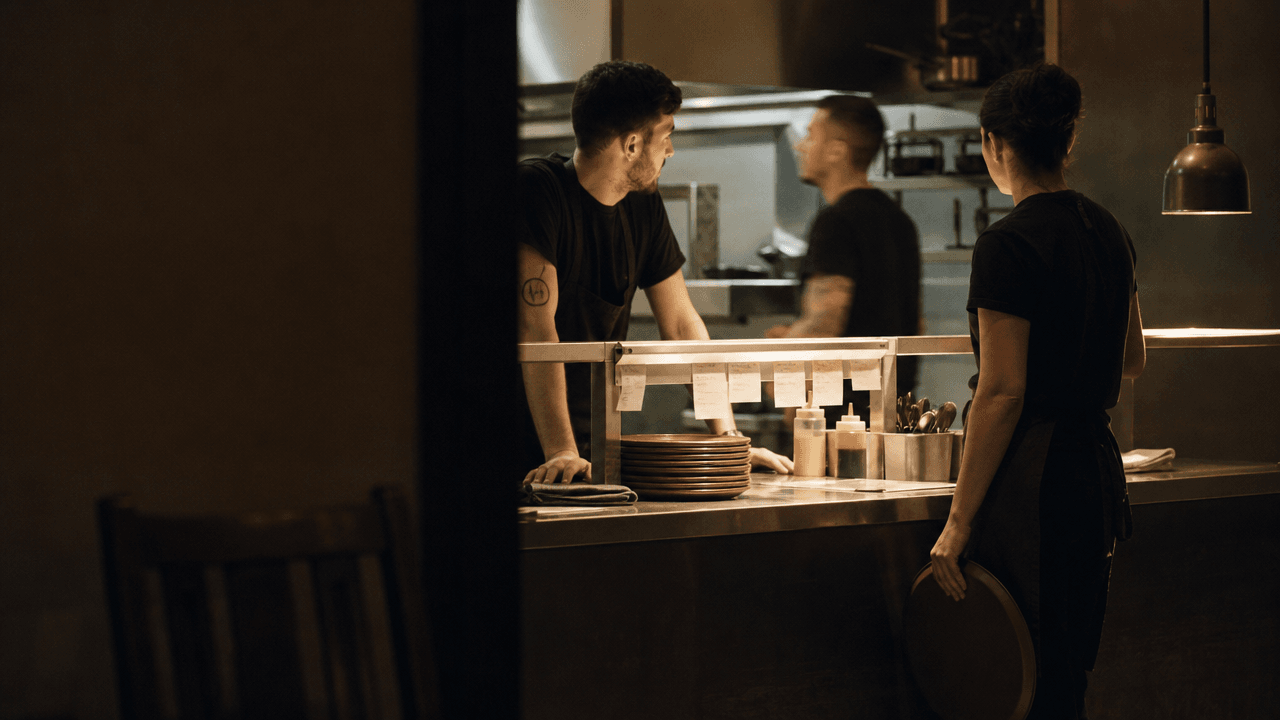
Three sites, one dish, three different costs. Nearly all of the gap opens up after the box is opened.
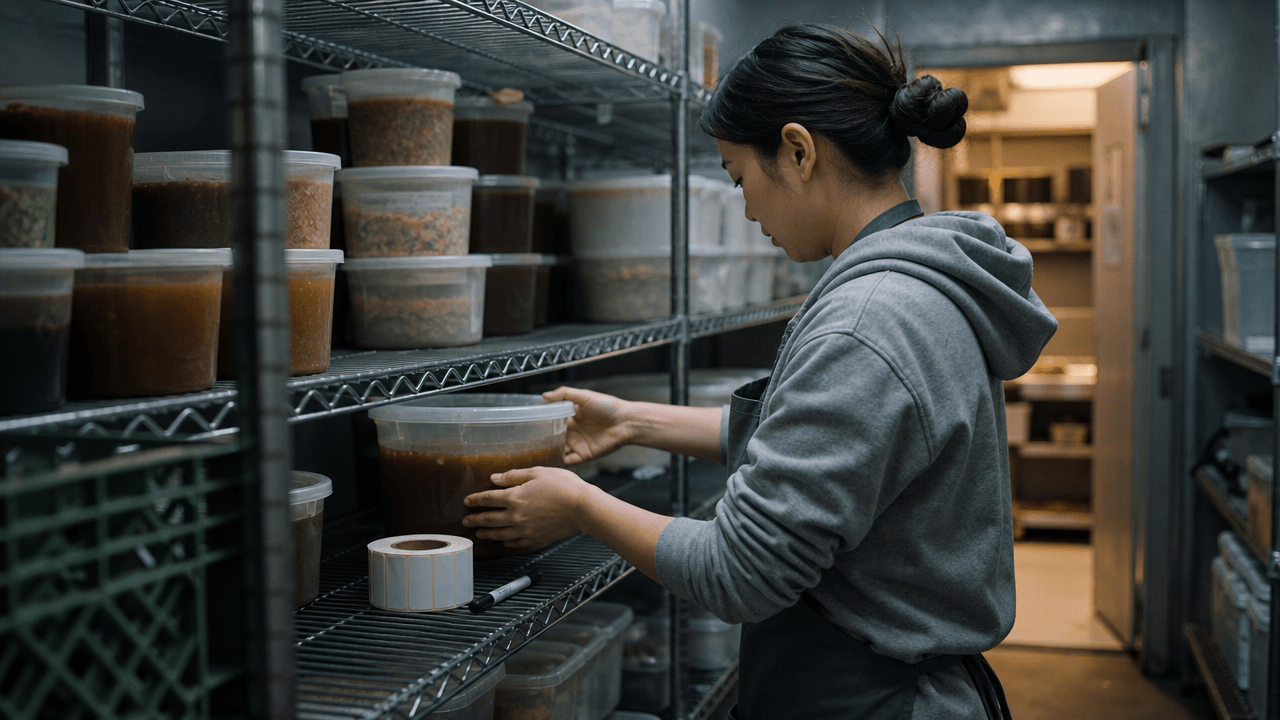
Most of what spoils was bought correctly and put away badly, in the two minutes after a delivery lands.

Spotting the increase is the easy part. What you do about it is a choice between four options, and most restaurants reach for the wrong one first.

Most menu prices are decided in an afternoon and then defended for years, while every ingredient underneath them quietly moves.
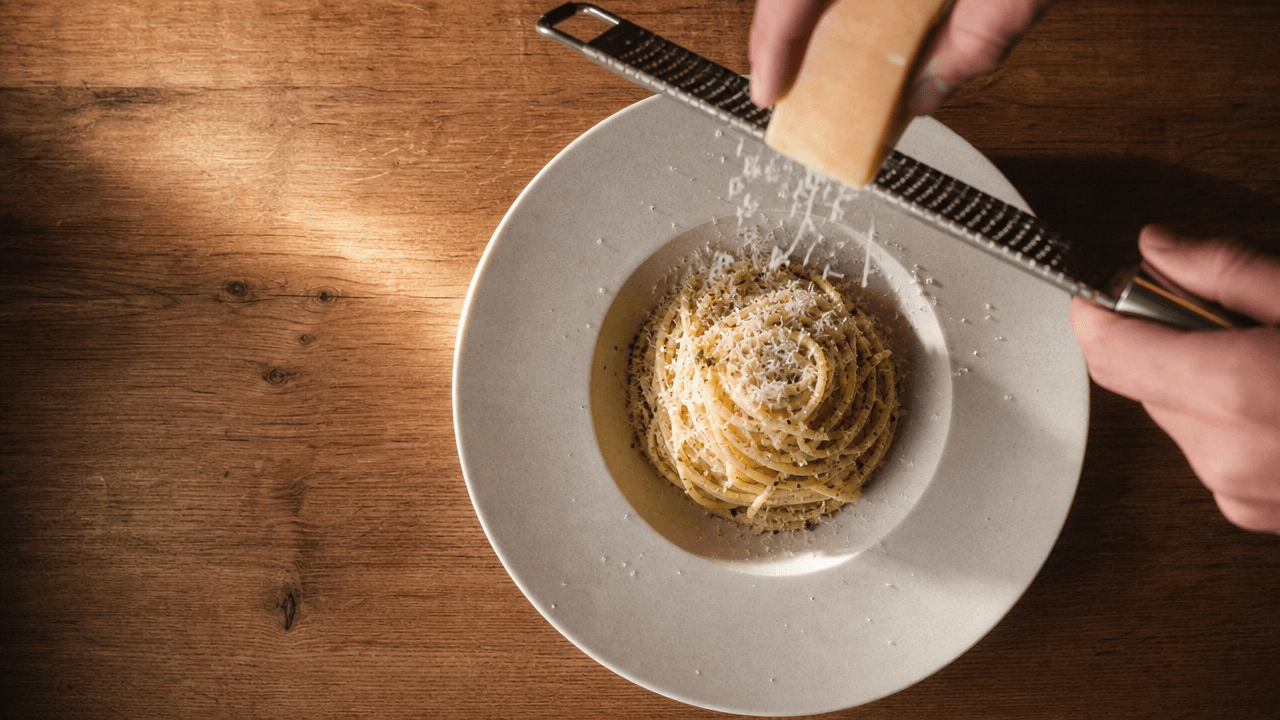
Ask three chefs what the same dish costs and you will get three honest answers. The gaps between them are where the money is.

The thing that stops restaurants switching is rarely the price. It is the picture of a team typing recipes into a new system after service.

A hotel runs several food businesses under one purchasing account. Averaged together they produce a number that is accurate and almost useless.
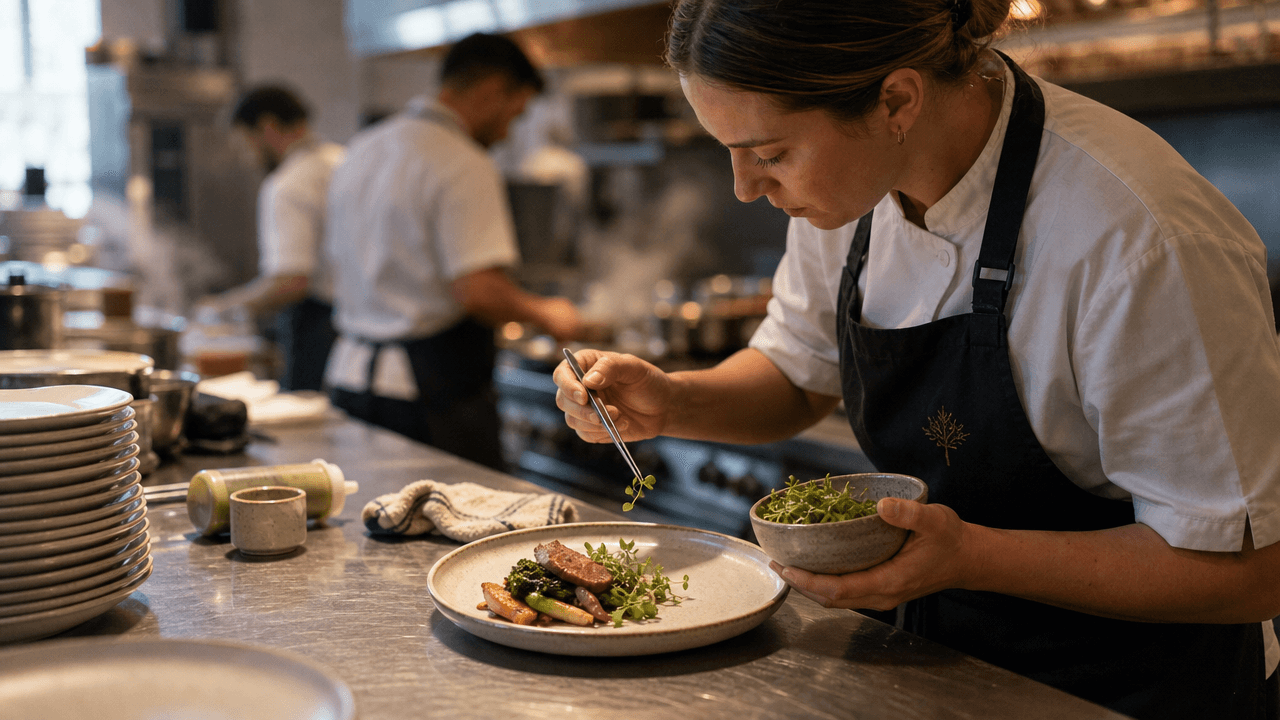
The four-box menu matrix is only as good as the dish costs underneath it, and most of those costs were worked out once and never revisited.
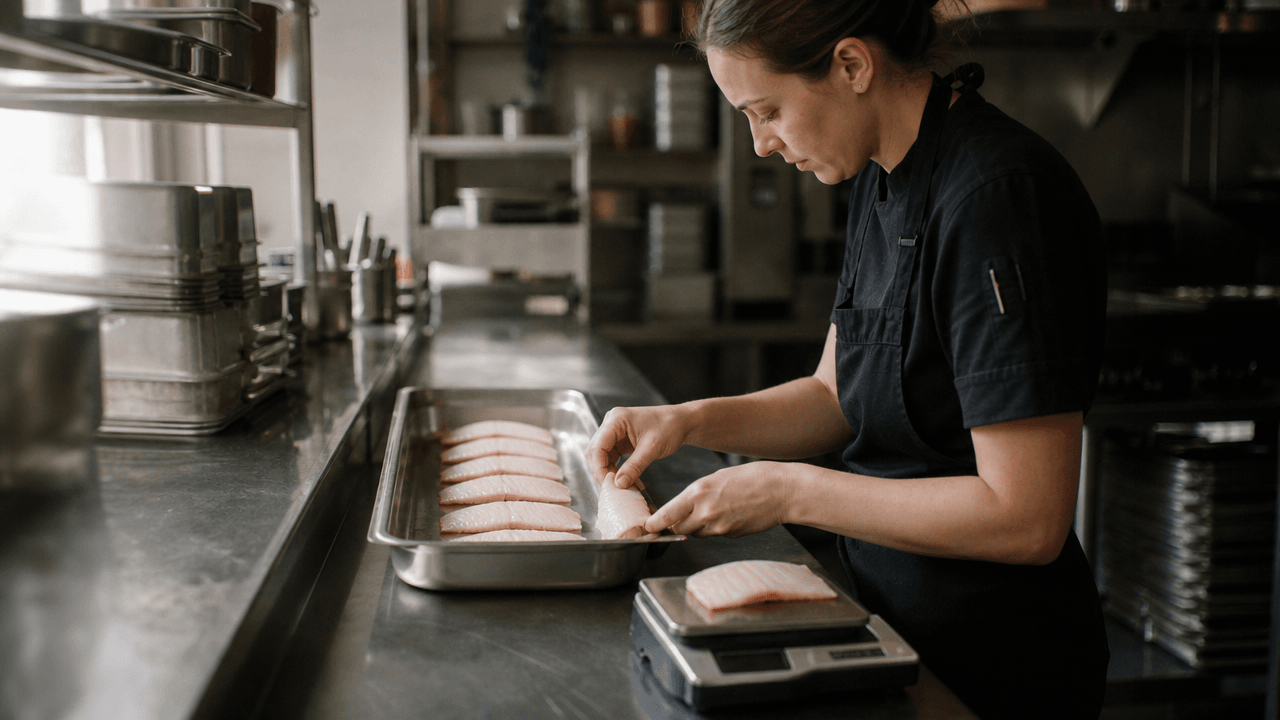
Telling the line to be careful is the last step, not the first. Portions drift for structural reasons, and you cannot correct a drift you cannot measure.

Centralising prep solves consistency and labour. It also moves your cost problem somewhere your existing numbers cannot see it.

Some of what you sell never reaches your food cost calculation at all. Those items leave the shelf, take the money, and show up later as variance nobody can attribute.
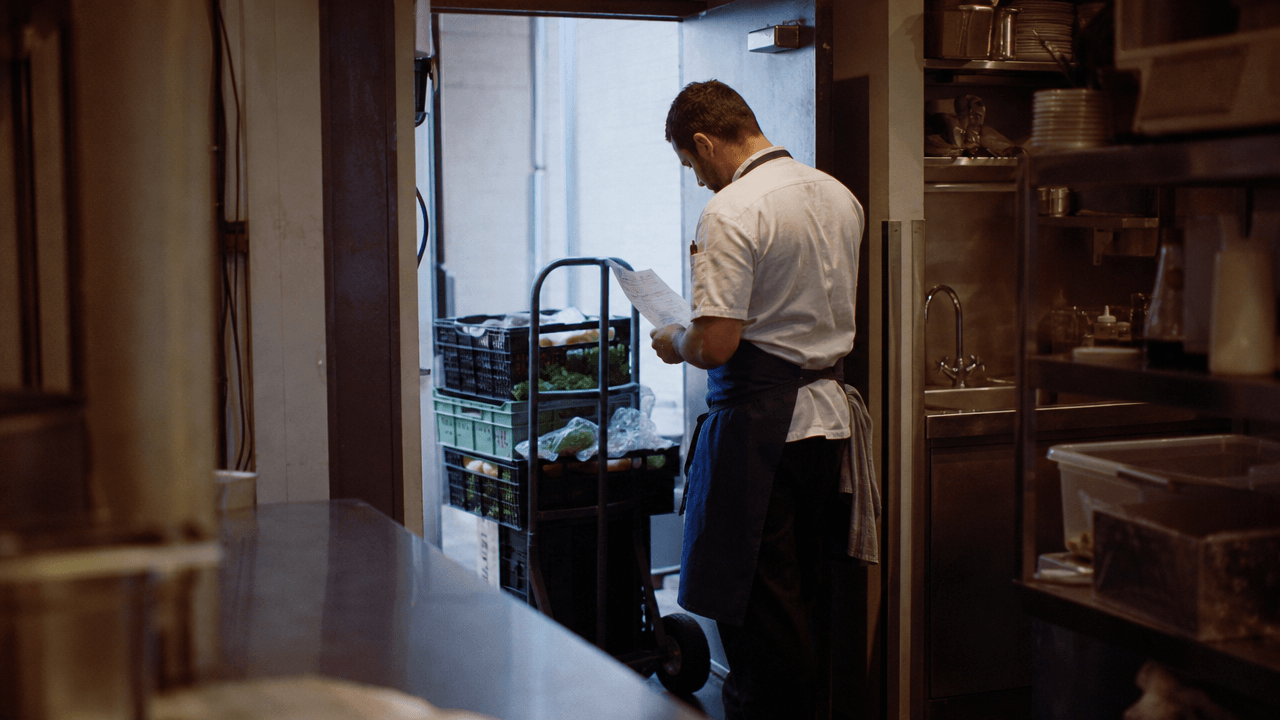
Two minutes at the back door is worth more than an hour of reconciliation three weeks later. Here is what a receiving check actually involves.

Most restaurants switch to inventory software later than they should. Here are seven signs it is time, and what each one is quietly costing you.

Counting everything monthly is slow to catch problems. Counting everything weekly is a job nobody keeps up. The answer sits between the two, and it is per item.

Reactive inventory costs more than it looks. Here is what proactive inventory management looks like in a working kitchen, and how to make the shift.
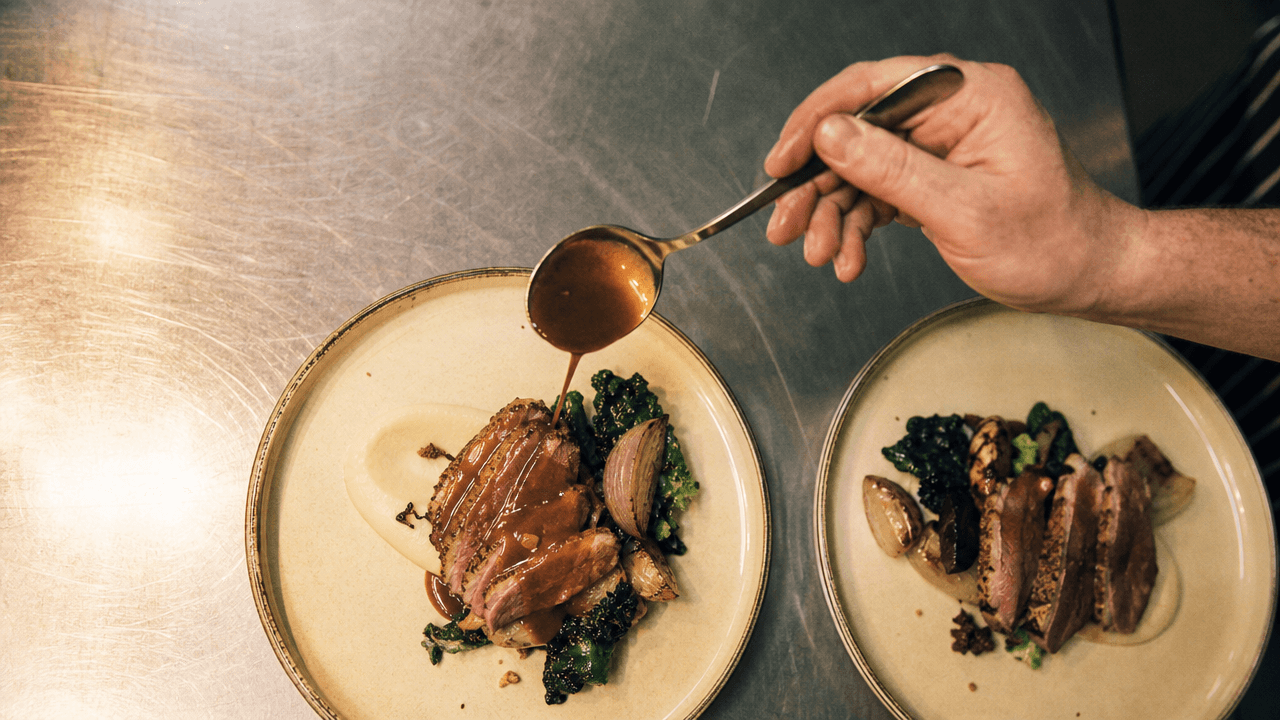
Every kitchen runs two food cost numbers, and the gap between them is variance. Here is the operating loop that closes it and keeps it closed.

You have outgrown Excel. The harder question is what to replace it with. Here are the options for restaurant inventory and how to pick the right fit.

A stock count is only worth the time if the numbers are accurate and you can act on them. Here is the step-by-step routine, and what to do after.

A bar inventory count shouldn't take a full evening. Here's what slows it down, what speeds it up, and what the "15-minute count" claims leave out.

Across a typical back office, the data needed to compute margin sits in three systems that rarely sync. Most restaurants never close the gap, and pay for it in margins.

The era of disconnected POS, accounting, and inventory tools is closing. Here's how restaurant groups across Europe are consolidating their tech stacks.
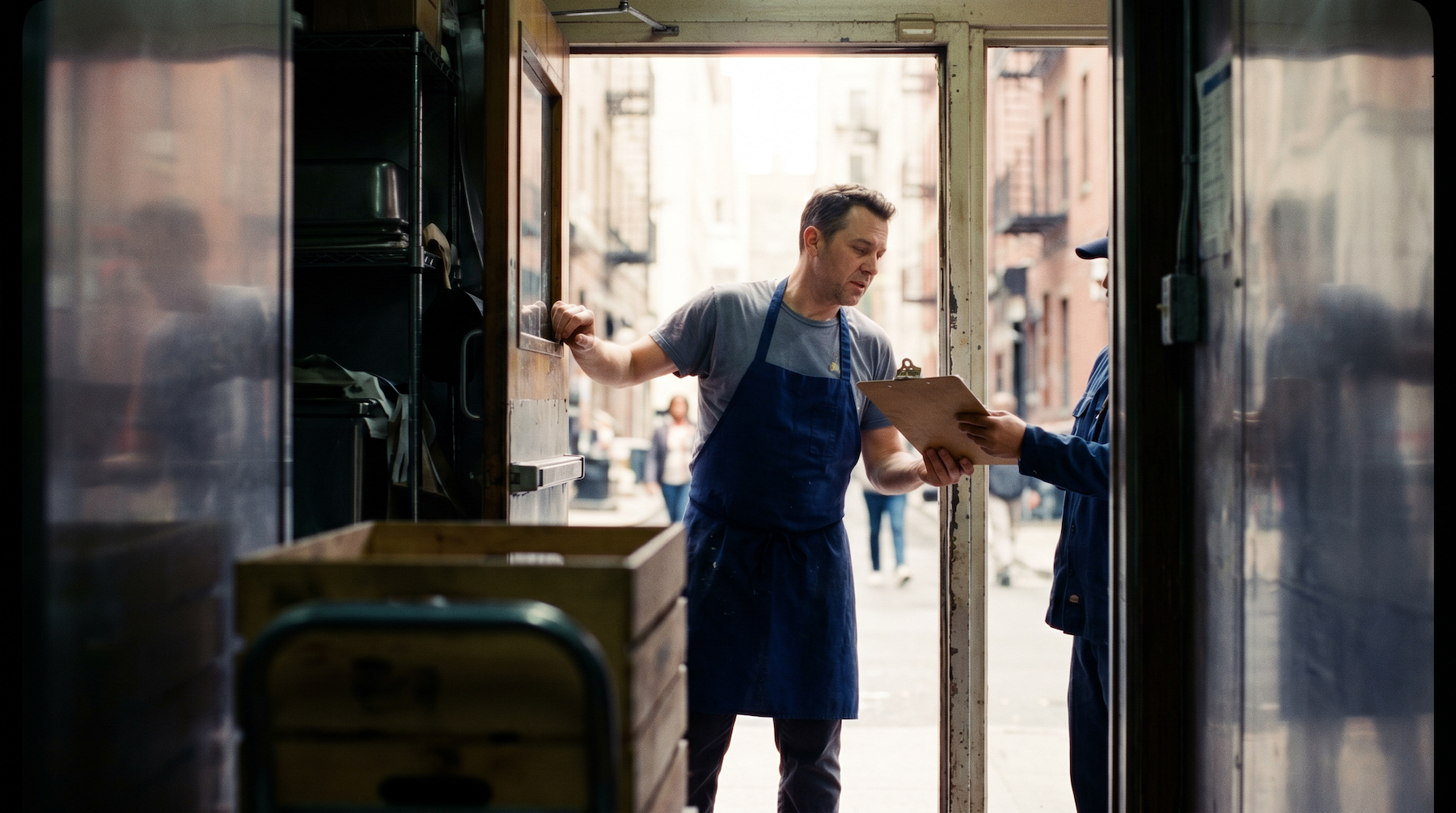
Most operators hear "automated invoice processing" and think scanned PDFs. The real value sits one layer deeper: line-level data flowing into recipes the same day.
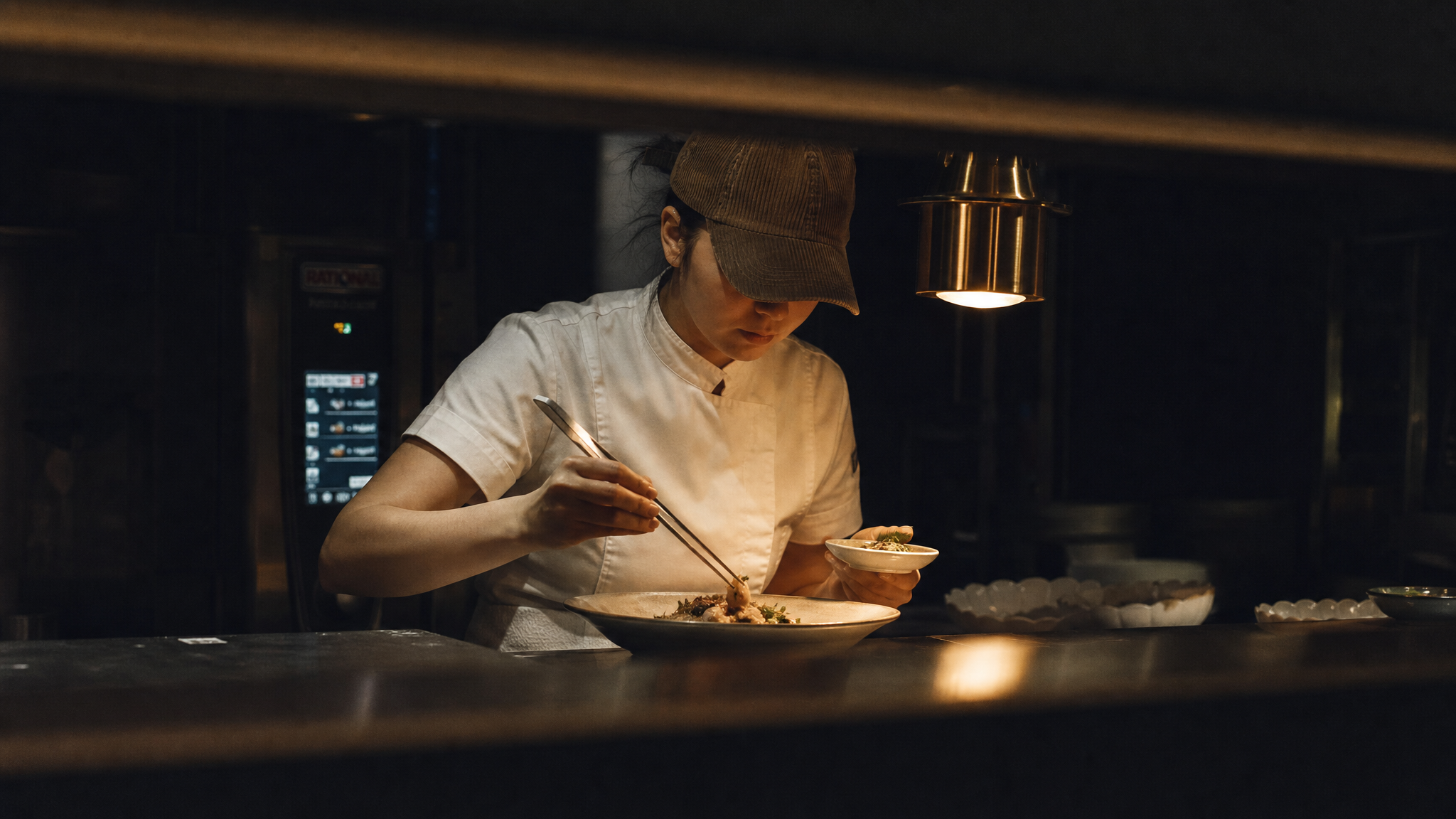
Theoretical food cost says what should have been used. Actual food cost says what was. The gap between them is where most restaurant margin quietly leaks away.

The third restaurant is where most operators stop being able to run the business by walking the floor. What changes then, and what holds margin.
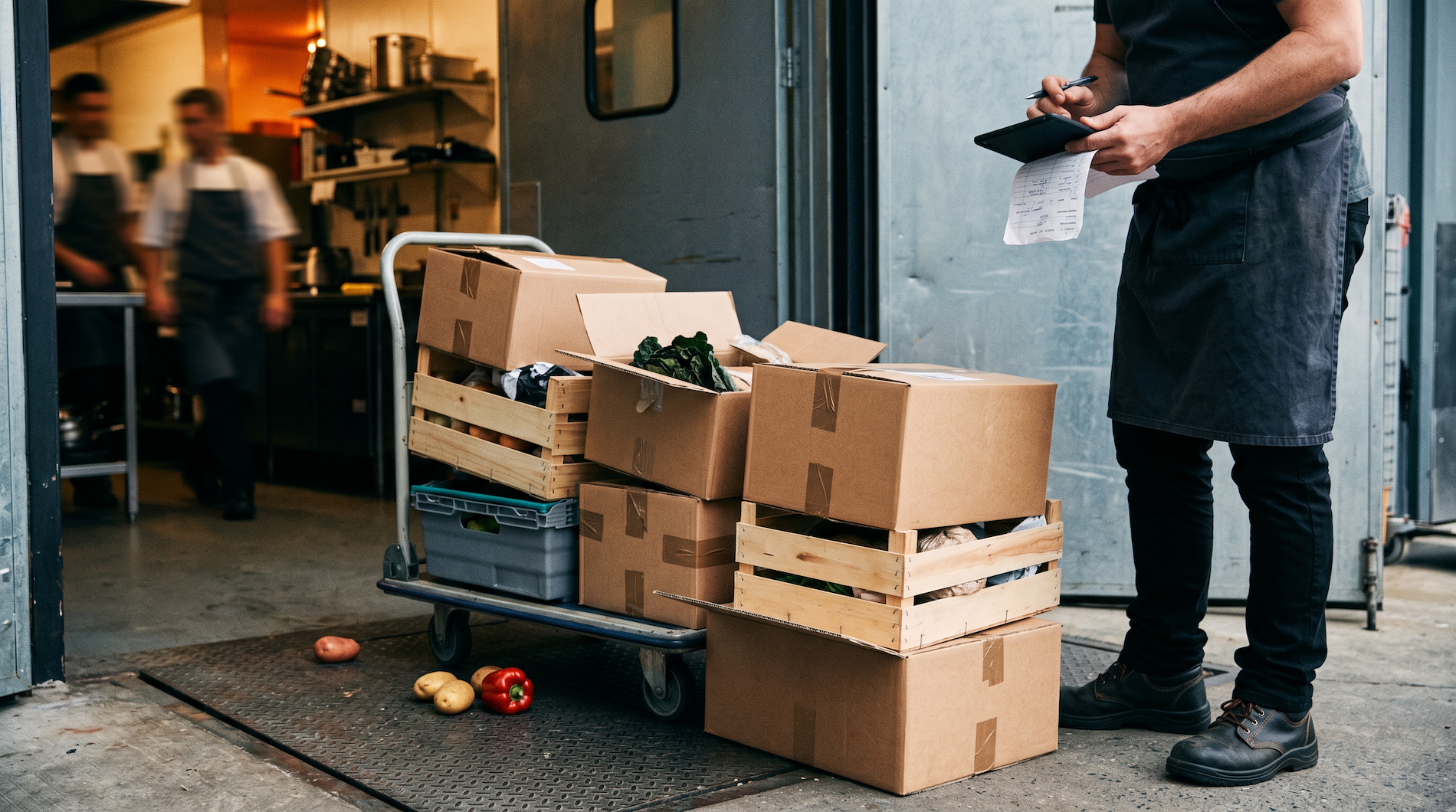
Supplier prices change constantly and rarely come with notice. Here's what untracked increases actually cost and how to catch them before they compound.

What food cost percentage should your restaurant hit? Benchmarks by concept type and what to check when the number starts to drift.
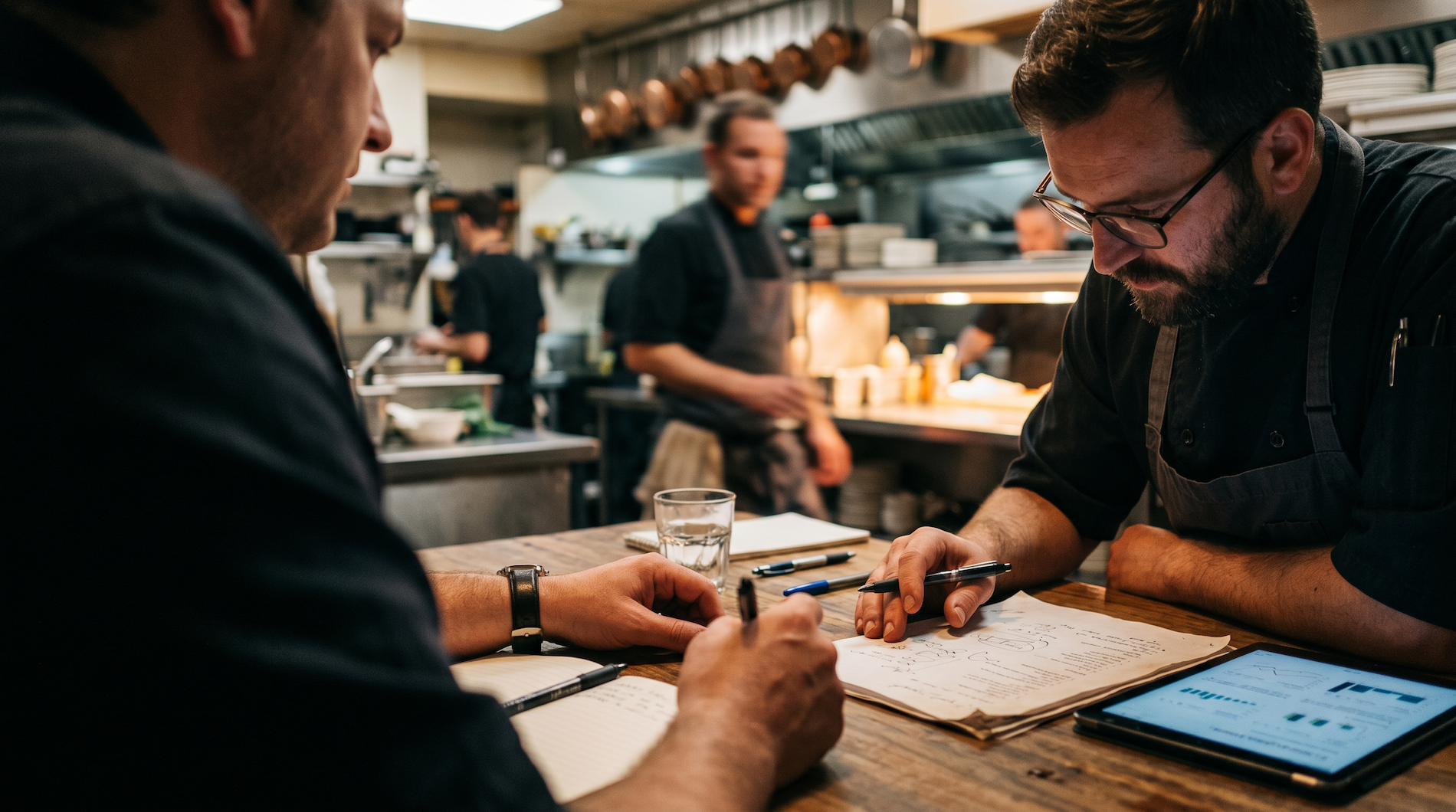
What separates a real food cost tracking system from a monthly food cost report, and how to build one that catches movement in time to act.

Food cost management at a restaurant group has visibility gaps that compound with every new location, in ways no single site has the view to see.

Can you afford to keep losing thousands to invoice errors? See what pricing mismatches, quantity errors, and incorrect charges are actually costing you.
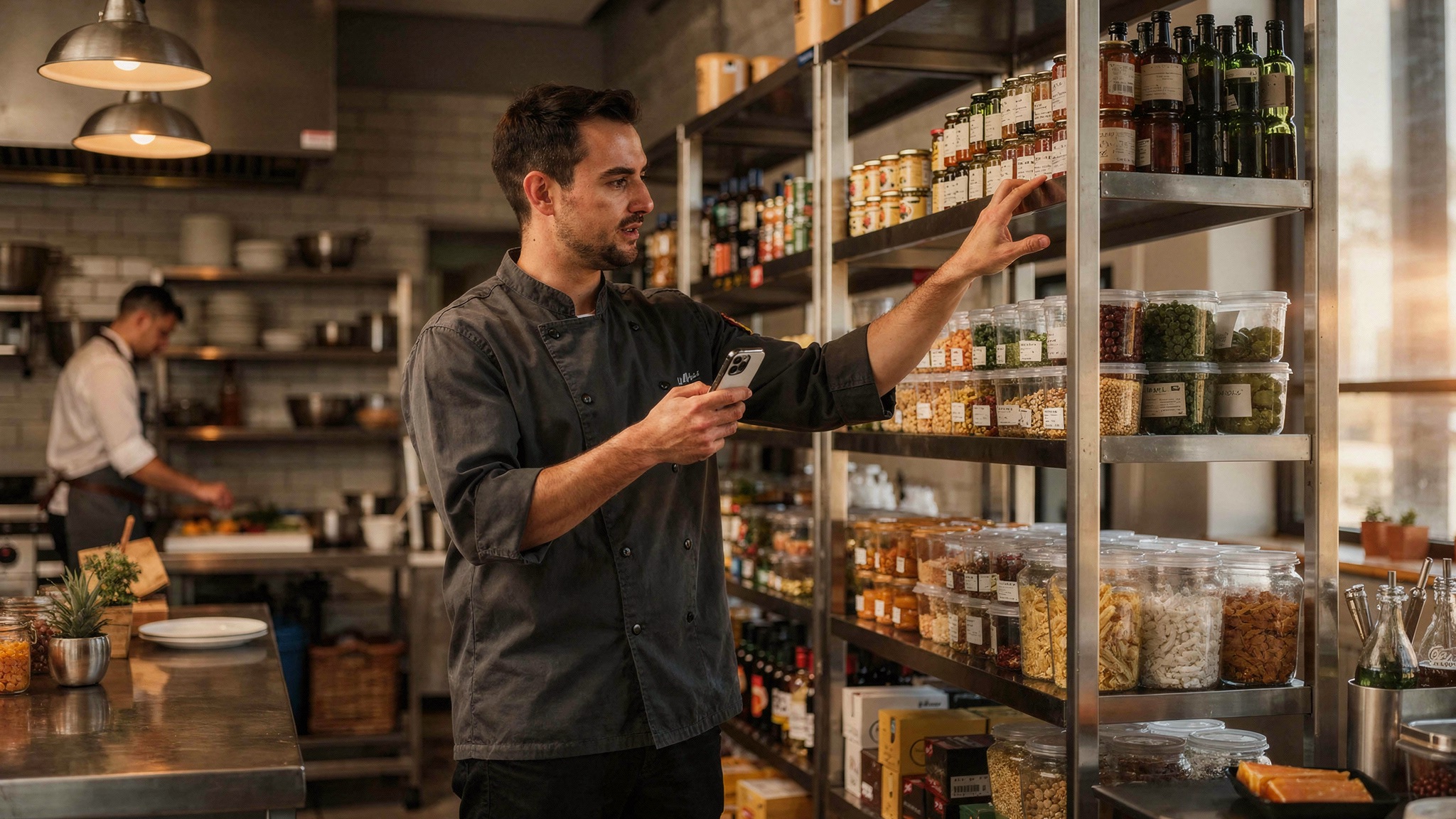
Why successful restaurants are ditching Excel for automated inventory management. Learn how digital systems eliminate errors and save hours every week.

See what 5% variance actually costs your restaurant and where it's coming from. Break down variance drivers and start closing the gap.
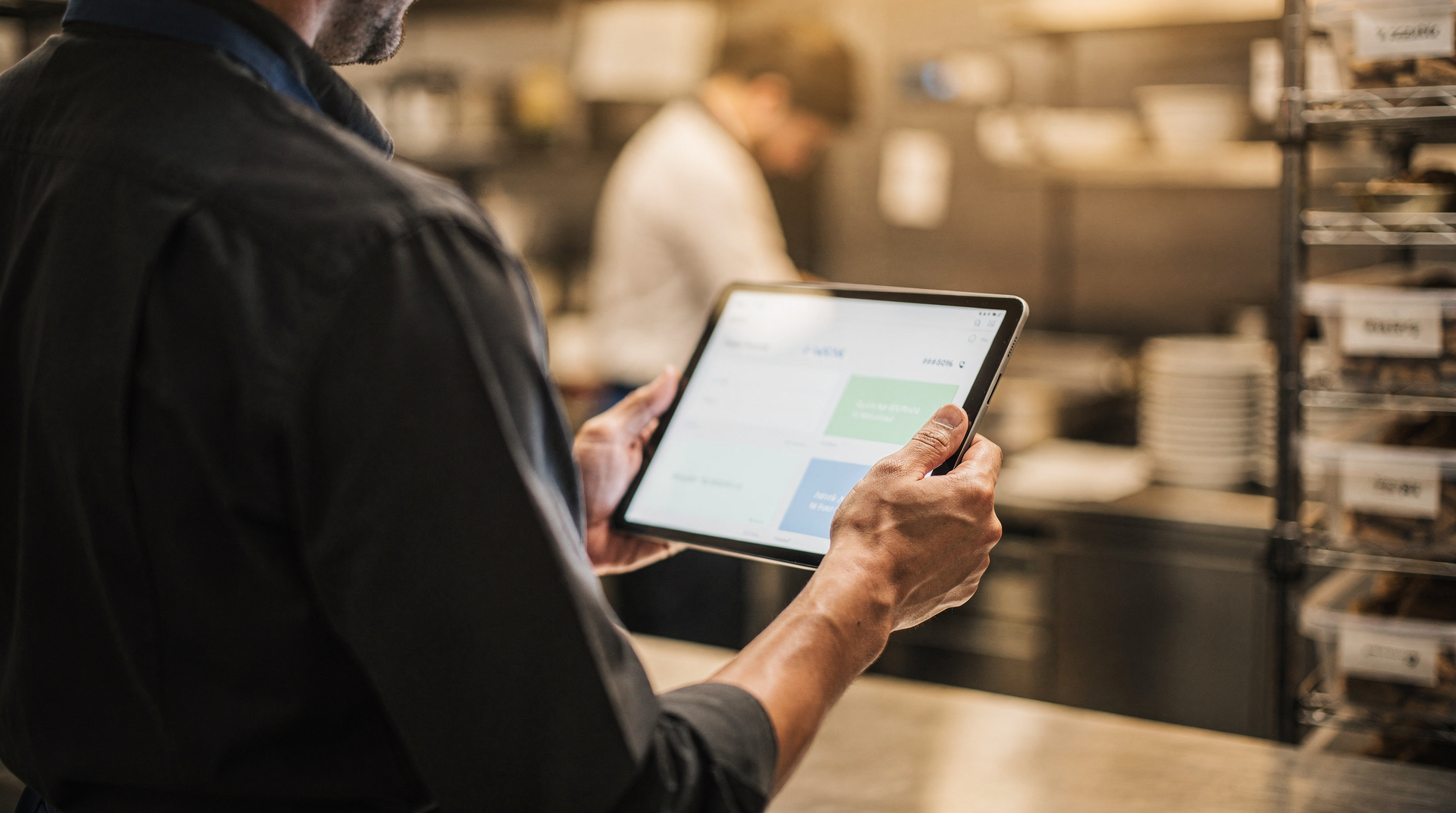
Variance quietly drains profit. From theft to delayed tracking, seven operational gaps inflate your actual costs above theoretical targets. Here's how to fix them.

Which coffee brands do Norwegians trust? Discover regional preferences from Oslo's specialty scene to Bergen's cozy cafés.
Featured
You have outgrown Excel. The harder question is what to replace it with. Here are the options for restaurant inventory and how to pick the right fit.
What separates a real food cost tracking system from a monthly food cost report, and how to build one that catches movement in time to act.
Can you afford to keep losing thousands to invoice errors? See what pricing mismatches, quantity errors, and incorrect charges are actually costing you.
Why successful restaurants are ditching Excel for automated inventory management. Learn how digital systems eliminate errors and save hours every week.
Which coffee brands do Norwegians trust? Discover regional preferences from Oslo's specialty scene to Bergen's cozy cafés.